Fact-Check: Debunking Viral Claims That Donald Trump Was “Shot Again”
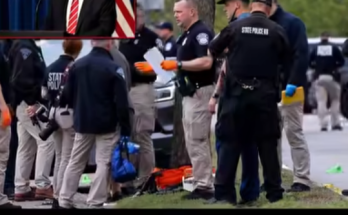
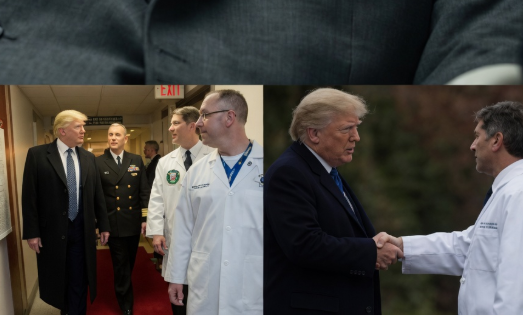
In an era defined by the rapid dissemination of digital information, a surge of misinformation has recently targeted Donald Trump. Viral posts across platforms such as TikTok, X, and YouTube have claimed that the former president was “shot again minutes ago” in Washington D.C. or near the White House. However, there is no credible evidence to support these assertions. Major news organizations with rigorous verification standards—including the Associated Press, Reuters, BBC, and The New York Times—have issued no such reports. These sensationalist claims appear to be manufactured for engagement, using dramatic language to exploit public concern and trigger emotional reactions.To navigate this wave of rumors, it is essential to distinguish between verified historical events and current fabrications. The only confirmed shooting involving Donald Trump in the 2024 cycle occurred on July 13 near Butler, Pennsylvania. During that campaign rally, a gunman opened fire from a nearby rooftop with an AR-style rifle, resulting in Trump being grazed in the right ear. While the injury was minor, the attack was a significant security breach that resulted in the death of one rally attendee and serious injuries to others. The United States Secret Service neutralized the shooter on-site, and Trump was treated and released from a medical facility shortly thereafter. This remains the only authenticated instance of a direct attack on his person in recent months.Confusion is often exacerbated by separate security incidents that are taken out of context by bad actors online. For instance, in September 2024, a security scare occurred near one of Trump’s golf clubs in Florida. Although gunshots were fired in the general vicinity, prompting an immediate tactical response from the Secret Service, Donald Trump was never harmed and was not the direct target of those specific shots. Furthermore, unrelated reports regarding a shooting near the White House that affected National Guard members have been misrepresented in viral videos to imply a direct threat to Trump himself. In reality, while he addressed the situation publicly, he was not a victim of that violence.The mechanics of online misinformation rely heavily on clickbait strategies. Content creators often use recycled footage from the Pennsylvania rally or misleading titles like “20 Minutes Ago: Shock in D.C.” to drive traffic to their channels. This phenomenon is a byproduct of social media algorithms that prioritize high-arousal emotions such as fear and outrage. When users share these posts without verification, they inadvertently help spread falsehoods. Fact-checkers emphasize that if an event as significant as an assassination attempt on a former president were to occur, it would be reported globally within seconds by CBS, PBS, and other major networks, accompanied by official statements from the White House and the Secret Service.In addition to these security-related rumors, Donald Trump has remained in the headlines for legitimate diplomatic and political reasons that are frequently ignored by misinformation peddlers. Recent verified coverage has focused on his commentary regarding international ceasefire negotiations between nations like Thailand and Cambodia. These diplomatic discussions represent his actual current activities, which stand in stark contrast to the violent narratives circulating on social media. Journalistic integrity requires a commitment to sourcing information from outlets with established editorial standards rather than anonymous social media accounts or sensationalist video titles.Ultimately, the takeaway for the public is clear: there is no factual basis for claims that Donald Trump has been shot again since the July 2024 incident in Pennsylvania. Staying informed in a digital age requires a critical mindset and a refusal to participate in the spread of unverified “breaking news.” By relying on trusted sources like Reuters and The Washington Post, and by waiting for official government confirmation, citizens can protect themselves from the confusion caused by deliberate misinformation and engagement-driven hoaxes. Accuracy remains the most vital defense against the instant spread of digital falsehoods.