Diplomacy and Defense: Navigating the Ripple Effects of JD Vance’s Military Remarks
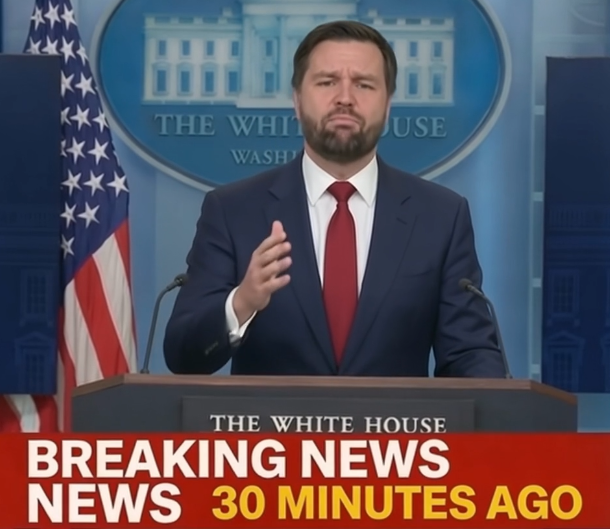
In the high-stakes world of international diplomacy, words serve as both bridges and barriers. Recently, remarks by U.S. Vice President JD Vance regarding potential security guarantees for Ukraine ignited a significant controversy that crossed the Atlantic. By referencing the limitations of troops from “some random country that hasn’t fought a war in 30 or 40 years,” Vance inadvertently sparked a firestorm of criticism within the United Kingdom. This incident highlighted a notable moment of unity among British political leaders and veterans who rose to defend their nation’s storied military heritage and its enduring partnership with the United States.The reaction in the UK was swift and crossed party lines, involving figures such as former Veterans Minister Johnny Mercer, SAS veteran Andy McNab, and Admiral Lord West. Military leaders, including General Sir Patrick Sanders, and politicians like James Cartlidge and James Cleverly, emphasized that respect is a non-negotiable element of the “special relationship.” For many, the comments felt like an erasure of the blood shed by British forces in Normandy, Iraq, and Afghanistan. These joint operations have long been the bedrock of Western security, and the perceived slight touched a raw nerve among those who value the historical sacrifices made by allied forces.Vance eventually offered a clarification, specifying that his criticisms were not aimed at the UK or France, both of whom he acknowledged have fought bravely alongside America for decades. Instead, he pointed toward nations lacking modern combat experience or necessary equipment. Despite this, the damage to the diplomatic atmosphere required mending. Prime Minister Keir Starmer addressed the situation by paying a solemn tribute to British service members who gave their lives in allied conflicts, choosing to elevate the conversation toward remembrance and national pride rather than direct political confrontation.This episode acts as a poignant reminder that even the most robust alliances, like the Anglo-American alliance, require constant nurturing through careful communication. While the partnership is fundamentally strong—supported by deep intelligence cooperation and military interoperability—it remains sensitive to the rhetoric of high-profile leaders. In an increasingly volatile global landscape, maintaining trust is not merely a symbolic gesture; it is a strategic necessity. Preserving the integrity of these bonds depends on honoring shared history and choosing language that bolsters confidence among allies facing common threats.