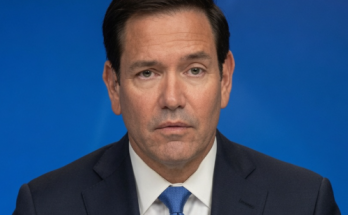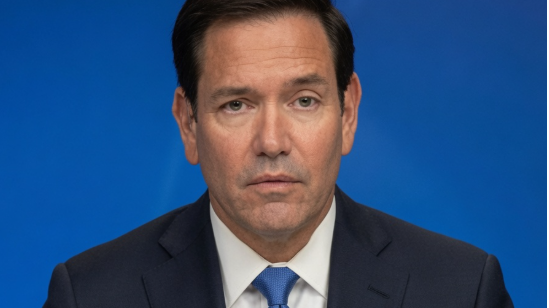
Secretary of State Marco Rubio expressed cautious optimism Friday regarding ongoing diplomatic efforts involving Iran, while emphasizing that significant challenges remain before any agreement can be reached.
“The latest signs are encouraging, but I’m not popping champagne yet,” Rubio said, noting that recent developments suggest limited progress. While he acknowledged “a little bit of movement,” he cautioned against expecting a breakthrough prematurely.
Pakistan continues to play a key mediating role in the discussions. As part of those efforts, Field Marshal Syed Asim Munir is expected to hold consultations with Iranian officials in Tehran. Security sources describe Pakistan as an important intermediary between Washington and Tehran as negotiations continue.
A major point of contention remains Iran’s reported proposal to regulate maritime traffic through the Strait of Hormuz. Rubio strongly opposed any system that would require commercial vessels to obtain authorization or pay fees to transit the strategic waterway, calling such measures unacceptable and potentially harmful to international commerce.
The Strait of Hormuz is one of the world’s most critical shipping routes, carrying a substantial share of global oil exports. Any disruption to navigation through the corridor could have significant economic consequences worldwide.
Rubio warned that if negotiations fail to resolve the issue, the United States and its partners may need to consider alternative responses. Meanwhile, diplomatic efforts continue as regional tensions remain elevated, particularly amid ongoing instability involving Iran and its regional allies.
President Donald Trump has also expressed cautious optimism that a diplomatic agreement could be reached in the coming weeks. However, officials acknowledge that substantial differences remain, and the outcome of the negotiations remains uncertain.
As talks proceed, governments across the region and beyond are closely monitoring developments, recognizing that the future of maritime security, energy markets, and regional stability may depend on the success of ongoing diplomatic efforts.