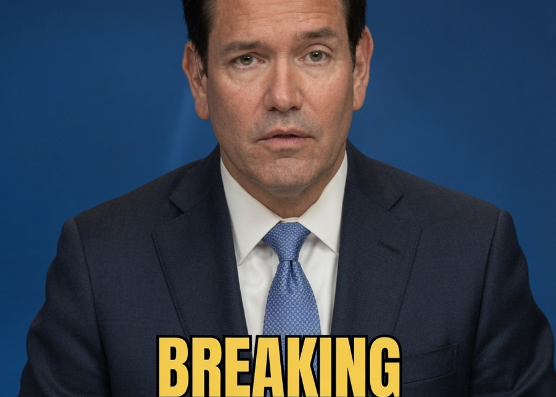
Secretary of State Marco Rubio said Friday that there are tentative signs of progress in efforts to end the ongoing U.S.-Israel conflict with Iran, though he cautioned against excessive optimism.
“The latest signs are encouraging, but I’m not popping champagne yet,” Rubio told reporters. “I don’t want to exaggerate it, but there’s been a little bit of movement, and that’s good.”
According to regional security sources, Pakistan is once again playing a key diplomatic role. Pakistan’s Army Chief, Field Marshal Syed Asim Munir, is expected to travel to Tehran for consultations with Iranian officials as Islamabad works to keep negotiations alive between Washington and Tehran.
Despite the apparent diplomatic progress, Rubio emphasized that Iran’s proposed “tolling system” for commercial vessels passing through the Strait of Hormuz remains a major obstacle. He described the proposal as unacceptable and incompatible with any future agreement.
“No one in the world is in favor of the tolling system,” Rubio said. “It can’t happen. It would be unacceptable.”
He argued that any attempt by Iran to charge vessels for passage through the strategic waterway would threaten global commerce and violate international norms.
The Strait of Hormuz remains at the center of the dispute. Roughly one-fifth of the world’s oil exports pass through the narrow shipping route, making any disruption a significant concern for global markets. Iran has maintained that it will fully reopen access only if commercial ships comply with its proposed regulatory framework and payment requirements.
Rubio warned that Washington and its allies may need alternative measures if Tehran refuses to back down.
“If Iran keeps digging in, Washington has to have a Plan B,” he said.
Meanwhile, tensions continue across the broader region. In Lebanon, fighting involving Israel and the Iran-backed Hezbollah movement has persisted despite a U.S.-brokered ceasefire. Diplomatic talks between Lebanon and Israel are expected to continue, although Hezbollah has rejected the truce and opposes the negotiations.
The European Union also announced plans to expand sanctions targeting individuals involved in the Strait of Hormuz closure, calling the blockade contrary to international law. Proposed measures include travel bans, asset freezes, and restrictions on financial transactions involving those designated.
Fox News anchor Bret Baier said President Donald Trump expressed “cautious optimism” about the prospects for a deal with Iran, suggesting negotiators could reach an agreement within a week. However, Baier noted that Iran has reportedly introduced a new maritime authority to regulate transit through the Strait of Hormuz, a move likely to face significant international resistance.