False Military Attack Claims Highlight Growing Challenge of Online Misinformation
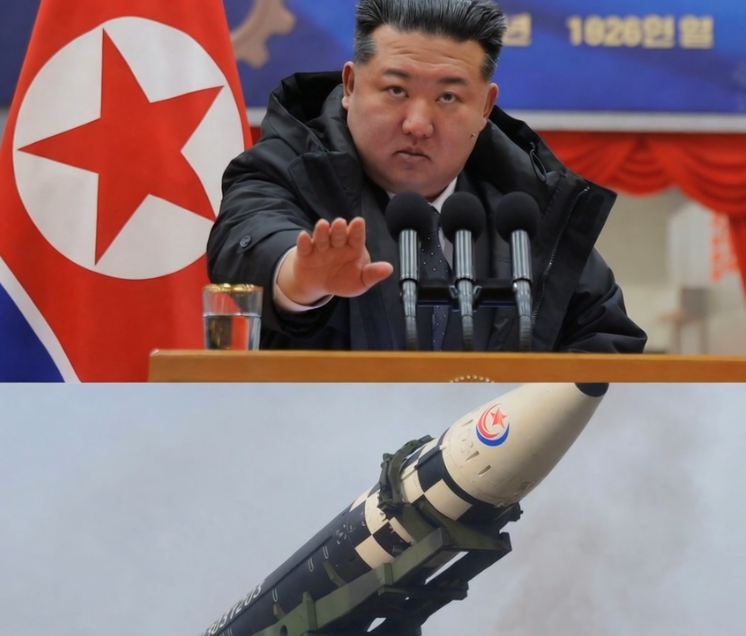
Recent viral reports claiming that Korea had ordered a military attack generated widespread concern across social media, fueling speculation about a potential escalation of regional tensions. The allegations spread rapidly online, prompting intense discussion and uncertainty among readers. However, subsequent verification by official authorities and reputable news organizations confirmed that the claims were entirely unfounded.
The misleading reports alleged that the Korean government had authorized military action against another country. Despite gaining significant attention, the story lacked support from credible evidence, official government statements, or verified intelligence sources. Officials later clarified that no such order had been issued and that national efforts remain focused on maintaining regional security and stability.
Experts say the incident demonstrates how misinformation can spread quickly in today’s digital environment. Sensational headlines often attract strong emotional reactions, encouraging users to share content before verifying its accuracy. Social media algorithms can further amplify these stories, increasing their visibility and reach regardless of whether the information is true.
Authorities continue to stress the importance of relying on trusted sources when evaluating major international developments. Official government communications, established global news organizations, and recognized policy experts remain among the most reliable resources for accurate information. Cross-checking reports through multiple credible outlets can help prevent the spread of false narratives and reduce unnecessary public anxiety.
Officials in South Korea have reiterated their commitment to diplomacy, international cooperation, and peaceful conflict resolution. They continue to monitor regional developments while providing updates based on verified facts rather than speculation. Public statements have also encouraged citizens to remain calm and avoid sharing unconfirmed reports.
The episode serves as a reminder of the critical role media literacy plays in the modern information landscape. As misinformation continues to circulate online, individuals are encouraged to think critically, verify claims before sharing them, and prioritize factual reporting over sensational content.
Responsible news consumption remains essential for fostering an informed public and preventing confusion during periods of heightened international attention.