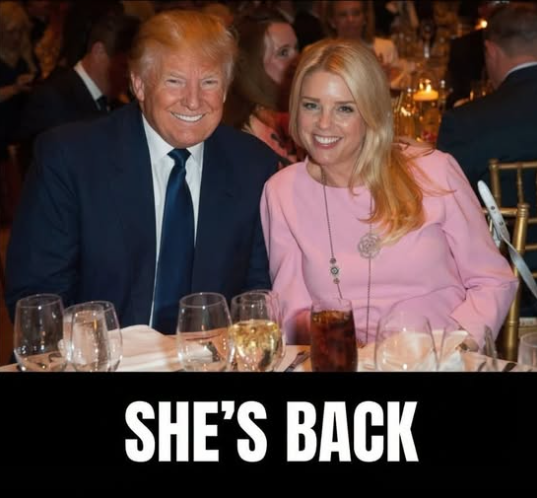
Former Attorney General Pam Bondi defended the Department of Justice’s handling of the Jeffrey Epstein files during a closed-door interview with the House Oversight Committee on Friday, asserting that the department fulfilled its legal obligations and provided an unprecedented level of transparency.
Bondi’s appearance comes as lawmakers continue examining the federal government’s management of the Epstein investigation, the release of related records, and whether additional documents remain undisclosed. In opening remarks obtained by several media outlets, Bondi maintained that the Justice Department went further than any previous administration in making Epstein-related materials available to the public.
“Justice and transparency have been delivered,” Bondi told committee members, arguing that all records required under the Epstein Files Transparency Act were released in accordance with federal law.
While defending the department’s efforts, Bondi acknowledged that mistakes occurred during the release process. She specifically referenced redaction errors that resulted in the inadvertent disclosure of some victim information. However, she emphasized the scale and complexity of the undertaking, noting that officials reviewed millions of pages of records before making documents public.
According to Bondi, approximately three million pages of material were ultimately released. She described the effort as a comprehensive review process that demonstrated an extraordinary commitment to transparency and public accountability.
During the interview, Bondi also revealed that she delegated oversight of the document-release operation to then-Deputy Attorney General Todd Blanche, who currently serves as acting attorney general.
The hearing marked Bondi’s first extensive public defense of the department’s actions since leaving office in April. She arrived at the Capitol wearing a bandage on her neck following recent treatment for thyroid cancer.
Republican lawmakers focused on determining whether additional records could legally be disclosed. House Oversight Committee Chairman James Comer stated that investigators remain committed to identifying any remaining documents and assessing whether further releases are possible.
Democratic members, meanwhile, criticized Bondi’s refusal to discuss communications involving President Donald Trump. Bondi declined to answer those questions, citing executive privilege and longstanding protections surrounding discussions between presidents and senior administration officials.