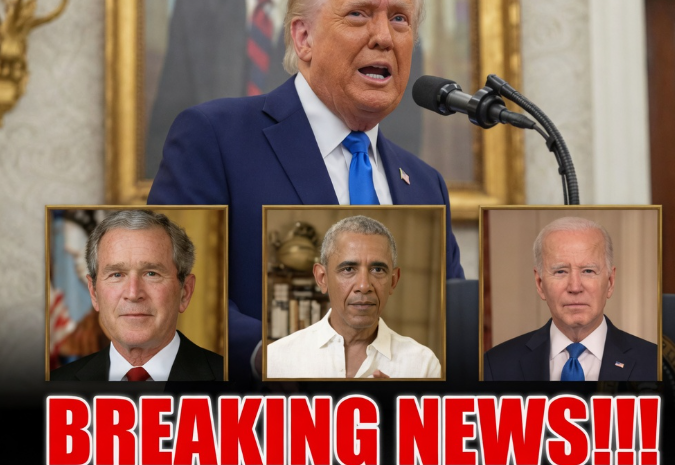
The media landscape was jolted when Donald Trump explicitly signaled that the operational rules for journalists are “going to change.” This declaration represents a significant escalation, transitioning from rhetorical criticism to a promise of open retaliation. For the press, this moment signifies that the line between political tension and a direct assault on the First Amendment has snapped. Such threats cannot be dismissed as mere soundbites; they represent a fundamental challenge to the role of an independent press in a democracy.
To counter this, the journalism community must pursue a strategy of radical clarity. Journalists are called to relentlessly articulate their purpose to the public, demonstrating how the erosion of media independence directly threatens the rights of every citizen. By showing their work, tightening editorial standards, and correcting errors swiftly, news organizations can build the credibility needed to withstand the pressure of political power. The goal is to make it clear that a leader’s power to decide which stories are “allowed” is a hallmark of authoritarianism.
The second pillar of defense is industry-wide solidarity. Newsrooms, which typically function as competitors, must now collaborate through joint investigations and coordinated legal defenses. By acting as a single ecosystem rather than fragmented brands, they can effectively refuse gag orders, blacklisting, and “access-for-obedience” deals. This unified front serves as a reminder that the Constitution provides the ultimate framework for press freedom, and the media will not be intimidated into silence.