President Donald Trump has signaled a significant shift in diplomatic strategy by seeking major revisions to a proposed framework with Iran. Following a high-level Situation Room meeting that failed to produce a final resolution, the administration has pivoted toward a more aggressive negotiating stance. Although a 60-day memorandum of understanding was previously described as being in the final stages, Trump has withheld his signature, demanding more concrete commitments regarding the dismantling of Iran’s nuclear infrastructure and the immediate stabilization of the Middle East.
At the heart of the current impasse is the disposition of Iran’s stockpile of enriched uranium. While the initial framework included a general pledge from Tehran to forgo nuclear weapons, Trump is reportedly insisting on a detailed, verifiable timeline for the removal or destruction of nuclear materials. Senior administration officials indicate that the President wants clearer guarantees that prevent Iran from maintaining any latent nuclear capability, viewing the current draft as insufficient in its technical requirements and enforcement mechanisms.
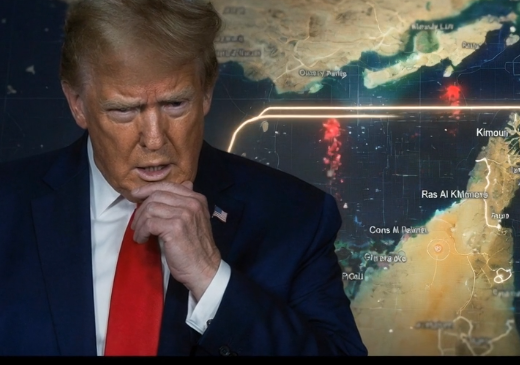
Beyond nuclear concerns, the United States is placing immense pressure on Iran regarding the Strait of Hormuz. As one of the most vital maritime corridors for global energy shipments, the Strait of Hormuz has long been a flashpoint for regional tension. Trump has publicly declared that any durable agreement must ensure the waterway remains “immediately open” with no tolls and unrestricted shipping traffic. This demand includes the physical removal of water mines and a cessation of harassment against commercial vessels, which the administration views as a prerequisite for any broader diplomatic normalization.
The financial aspect of the negotiations remains equally rigid. Trump has explicitly stated that “no money will be exchanged” until Iran demonstrates total compliance with nuclear disarmament demands. This “compliance-first” approach seeks to delay sanctions relief until the United States can verify the elimination of enriched materials. By decoupling financial incentives from the early stages of the 60-day window, the administration aims to maintain maximum leverage over Tehran while testing the sincerity of their negotiators, whom Trump described as “very tough.”
Adding a layer of complexity to the talks is the internal political volatility currently rocking Tehran. Reports have surfaced that Iranian President Masoud Pezeshkian has submitted his resignation to Supreme Leader Mojtaba Khamenei. Pezeshkian allegedly cited his exclusion from critical national security decisions, which are increasingly being dictated by hardline factions within the Islamic Revolutionary Guard Corps (IRGC). This internal power struggle has created a “communication challenge” for U.S. diplomats, as it remains unclear who in Iran has the ultimate authority to sign and enforce a binding international treaty.
Simultaneously, the regional security landscape continues to deteriorate, providing a grim backdrop to the diplomatic efforts. War Secretary Pete Hegseth has reiterated that the United States maintains a full spectrum of military options, should the diplomatic track collapse. This warning coincides with Israel expanding its military operations in Lebanon under the direction of Prime Minister Benjamin Netanyahu. As Israel targets Hezbollah infrastructure, the pressure on Iran to reach a settlement increases, even as hardline elements in the IRGC push for continued resistance.
Ultimately, the Trump administration remains publicly optimistic that a deal is achievable, though they have emphasized that the timeline is secondary to the quality of the agreement. By demanding specific concessions on the Strait of Hormuz, nuclear stockpiles, and regional ceasefires, the United States is signaling that it will not accept a vague or fragile peace. The coming days will be decisive as negotiators attempt to reconcile Trump‘s demands with the fractured and defensive leadership in Tehran.