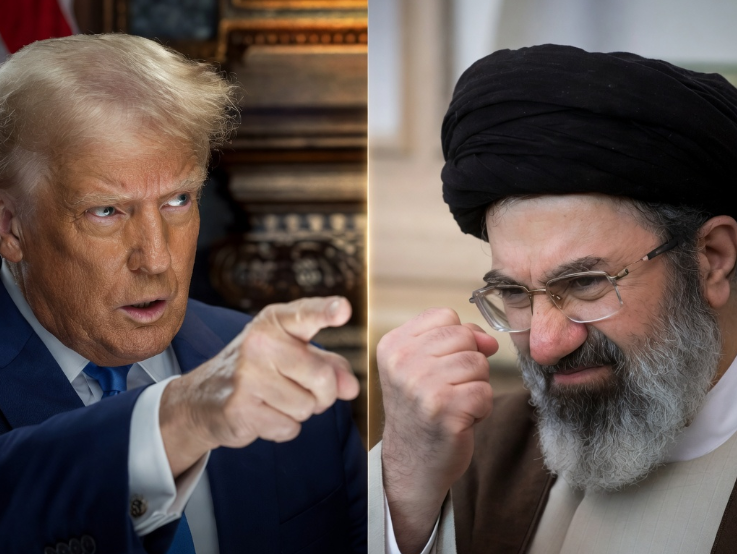
On February 28, 2026, a massive coordinated aerial offensive launched by the United States and Israel shattered the fragile stability of the Middle East. Formally known as Operation Epic Fury, the campaign deployed thousands of sorties to target Iranian military infrastructure, specifically aiming to degrade air-defense systems, ballistic missile sites, drone facilities, and naval assets. Official reports indicate the strikes were a preemptive measure to neutralize nuclear ambitions and imminent threats to regional security. The geopolitical shock was immediate, as global markets reacted with surging oil prices and increased shipping premiums near the volatile Strait of Hormuz.
The human and political impact has been profound. Residents in Tehran sought refuge in shelters while Iranian state media broadcasted vows of “devastating revenge,” signaling that the confrontation is unlikely to remain a single-round engagement. In Tel Aviv and other Israeli cities, civilians braced for retaliation as sirens echoed across the landscape. Meanwhile, European diplomats and officials from Gulf states have mobilized to urge restraint, fearing that a miscalculation could draw in proxy forces from Lebanon to Yemen, potentially igniting a full-scale regional war.As the initial smoke clears, the long-term effectiveness of the operation remains debated. While Iran’s conventional capabilities have been significantly weakened, the international community remains on high alert for asymmetric retaliation. The world now watches a region on the brink, where the transition from targeted strikes to a broader, more destructive conflict depends on the next moves of the key players involved.