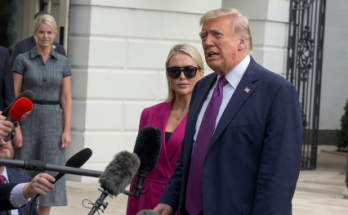
Escalating U.S.-Iran Tensions: Infrastructure Threats, Legal Warnings, and Strategic Risks The geopolitical crisis between the United States and Iran has reached a critical juncture as of May 12, 2026. While online rumors have suggested a widespread military “walkout” or organized refusal of duty among American service members, these claims currently remain unverified and lack official confirmation from government sources. Despite the circulation of these unproven reports, the tangible reality of the conflict centers on the sharp intensification of rhetoric from Donald Trump, who has threatened broad strikes against Iranian infrastructure—including energy systems, power facilities, and bridges—should Tehran fail to meet specific demands regarding the Strait of Hormuz and nuclear issues.
Legal experts and former military lawyers have voiced significant alarm over these potential actions, warning that indiscriminate attacks on civilian or dual-use infrastructure could violate international humanitarian law. These scholars emphasize that the laws of armed conflict require strict adherence to proportionality standards to ensure that civilian harm does not outweigh direct military necessity. Politically, the situation has sparked a firestorm in Washington, with Democratic lawmakers such as Chris Van Hollen criticizing the administration for outpacing congressional oversight and potentially entering a prolonged regional conflict without a defined exit strategy or proper war authorization. Strategically, analysts suggest that targeting national infrastructure may be counterproductive, as historical precedents show such strikes often bolster nationalist sentiment and consolidate domestic support for leadership rather than weakening the regime under pressure. Furthermore, while the threat of a wider confrontation involving global oil markets and regional proxies looms large, diplomatic channels have not yet fully collapsed. Indirect negotiations and ceasefire discussions continue behind the scenes, though the margin for error remains dangerously slim. The primary fear among international observers is that a catastrophic miscalculation could ignite a total regional conflict.