The United States House of Representatives has taken a decisive step toward securing the nation’s technological future by passing the SPEED Act. This legislation, which passed with a slim 218–213 margin, is specifically designed to expedite the federal permitting process for artificial intelligence infrastructure. By streamlining the bureaucratic hurdles that often stall large-scale projects, the bill aims to facilitate the rapid construction of data centers and the energy infrastructure required to power them. Major industry players, including OpenAI, Micron, and Microsoft, have thrown their weight behind the bill, signaling a significant alignment between Silicon Valley and federal lawmakers on the urgency of infrastructure reform. The core mechanism of the SPEED Act involves a substantial overhaul of the National Environmental Policy Act (NEPA) of 1969. Historically, NEPA has mandated extensive environmental reviews that can last several years, often leading to protracted litigation. The new bill seeks to drastically reduce these timelines, shortening the statute of limitations for NEPA-related lawsuits from six years to just 150 days. Rep. Bruce Westerman, the Republican sponsor of the bill and chair of the House Natural Resources Committee, characterized the expansion of AI computing for both civilian and military use as a “national imperative.” This sentiment highlights the growing consensus that the United States must act quickly to maintain its competitive edge against global rivals, most notably China.
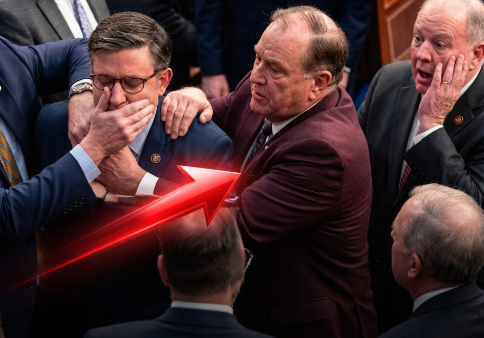
Despite the strategic goals, the bill’s passage was marked by intense political theater. A last-minute conservative revolt nearly killed the bill during a procedural vote, as some lawmakers demanded concessions regarding renewable energy. Ultimately, the GOP leadership included amendments that protected previous executive efforts to limit offshore wind and other green energy initiatives. This inclusion drew sharp criticism from the majority of Democrats, who argued that any permitting reform should facilitate, rather than hinder, the transition to clean energy. Rep. Scott Peters, a Democrat who otherwise supports permitting reform, noted that the current version of the bill unfortunately “codifies a broken permitting status quo,” suggesting that the real work of crafting a bipartisan solution will likely fall to the Senate. Compounding the legislative push is the announcement of the U.S. Tech Force, a massive new initiative launched by the Trump administration. This program is set to hire approximately 1,000 engineers and technical experts to modernize federal AI infrastructure. These professionals will participate in a two-year program, collaborating closely with industry giants such as Amazon Web Services, Apple, Google, Nvidia, Oracle, and Palantir. Scott Kupor, Director of the Office of Personnel Management, stated that the initiative is part of a broader effort to reshape the federal workforce to ensure that the government has the requisite talent to solve high-stakes technical problems in tandem with the private sector. As AI technologies continue to evolve, the strain on the American electric grid has become a primary concern for policymakers. The SPEED Act and the U.S. Tech Force represent a multi-pronged approach to solving the dual challenges of regulatory delay and talent shortages. While the bill now moves to the Senate for further deliberation, it has already set the stage for a larger national conversation on how the United States can remain nimble enough to build the foundations of a new digital era while navigating the complex intersections of environmental law, partisan politics, and the global race for technological supremacy.