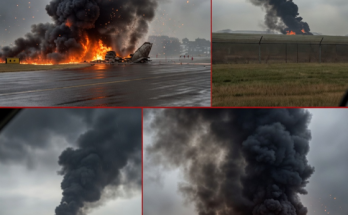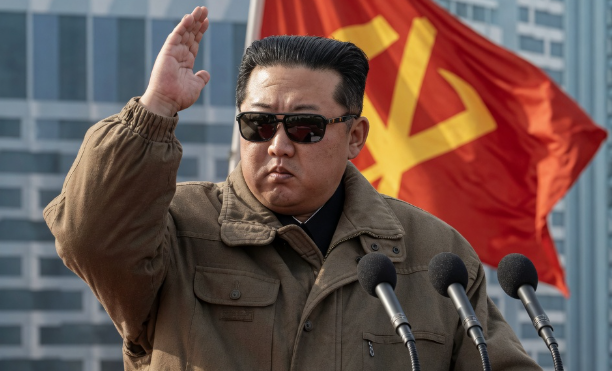
Recently, the digital landscape was flooded with alarming headlines suggesting that South Korea had issued a direct order to launch a military attack against another nation. These reports, which rapidly traversed social media platforms, triggered a surge of public anxiety and global speculation. However, rigorous verification from trusted government sources and international news agencies has confirmed that these claims are entirely fabricated. This incident underscores the volatile nature of the modern news cycle and the potential for misinformation to incite unnecessary panic. It serves as a stark reminder that in the age of instant communication, the speed of a story often outpaces its accuracy, requiring a concerted effort from both journalists and the public to filter out falsehoods before they cause real-world harm. The origin of the confusion lies in viral posts that lacked credible attribution or official citations. While the sensational story hinted at an escalating regional conflict in the Korean Peninsula, the reality is far more stable. South Korean officials have clarified that no such military authorization took place. Instead, the government remains focused on monitoring East Asian tensions and prioritizing diplomatic channels to ensure the safety of its citizens. The disparity between the viral narrative and official reality highlights a growing problem where social media algorithms and clickbait headlines prioritize engagement over accuracy, often at the cost of public peace and international reputation.
Understanding why such rumors spread is essential for digital literacy in the 21st century. High-stakes topics like military movements or potential declarations of war often trigger strong emotional responses, such as fear and anxiety, which drive users to share content before verifying its validity. Furthermore, certain websites intentionally craft provocative headlines to generate traffic and ad revenue. To combat this, experts urge the public to rely on established organizations like the BBC, Reuters, and the Associated Press. These outlets adhere to strict journalistic standards, ensuring that reports of military activity are backed by verifiable evidence and official statements rather than anonymous speculation or misinterpreted data. The role of the South Korean government in this context has been one of transparency and strategic restraint. Authorities have reiterated their commitment to peaceful conflict resolution and international cooperation, emphasizing that any strategic military decisions are subject to rigorous protocols and official public announcements. Official spokespeople have emphasized that the focus is on protecting the public and maintaining a defensive posture rather than initiating hostilities. By engaging in ongoing discussions with international allies and neighboring countries, the administration seeks to maintain a balance of power. This responsible approach to regional security stands in stark contrast to the reckless and inflammatory claims often found in unverified online forums and unregulated news blogs. Ultimately, this situation serves as a critical lesson in public responsibility and the dangers of the “echo chamber” effect. In an era where information travels at unprecedented speeds, the burden of verification often falls on the individual consumer. Citizens are encouraged to think critically about the source of their news, consult multiple reputable sources, and avoid amplifying content that lacks a clear factual foundation. As we navigate a complex global landscape, the ability to identify propaganda and fake news becomes a vital skill. By distinguishing between verified reporting and viral rumors, the public can foster a more informed and rational discourse. South Korea remains dedicated to regional stability, proving that facts, rather than fear-driven narratives, must guide our understanding of global security and geopolitical developments.