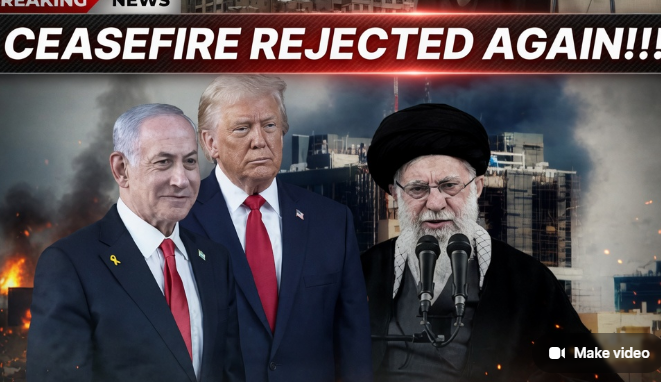
The geopolitical landscape of the Middle East is currently undergoing a violent transformation, as the sky over Tehran has been turned into a thick, oily obsidian. This environmental and humanitarian disaster is the direct result of a sustained campaign of strikes by American and Israeli forces targeting Iran’s vast oil depots. The resulting soot has created a phenomenon known as “black rain,” which falls upon a city of nine million people already struggling with ruptured sewage lines and literal rivers of fire. Despite the magnitude of this destruction, President Donald Trump has remained remarkably dismissive. In a call to ABC News‘ Mary Bruce, the President characterized the burgeoning regional apocalypse as a “little glitch” and a necessary “detour,” a rhetorical stance that has sparked intense debate among military analysts and international observers.
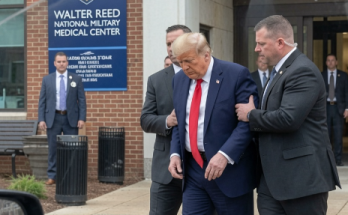
This “detour” has led to the first closure of the Strait of Hormuz in eighty years, a move that has sent global energy markets into a violent spasm. The traditional American military playbook, which relies on the assumption that escalation leads to capitulation, appears to have reached its limit. This weekend, Iran’s Foreign Minister appeared on Meet the Press to deliver a message of calculated defiance. He noted that while Iran had previously shown restraint and accepted a ceasefire, the United States and Israel utilized that pause to rearm and strike sensitive civilian targets, including elementary schools and desalination plants. Consequently, Iran has shifted its strategy to a war of attrition, utilizing Shahed drones and ballistic missiles to target Tel Aviv, Bahrain, and Kuwait, effectively shifting the economic and political pressure back onto the Oval Office. The human cost of this strategy was highlighted during a somber ceremony at Dover Air Force Base, where the remains of six American service members were returned. The fallen—Captain Cody Cork, Sergeant First Class Nicole Moore, Sergeant First Class Noah Tens, Sergeant Declan Cody, Major Jeffrey O’Brien, and Chief Warrant Officer 3 Robert Marzesen—were honored in an event that became controversial due to President Trump’s choice to wear a piece of campaign merchandise. Critics argue that treating the sacrifice of soldiers as a branding opportunity suggests a prioritization of optics over the gravity of military loss. This detachment from the reality of the conflict is further reflected in the administration’s economic outlook, which ignores the burgeoning inflation shock. The economic ramifications of the Hormuz Shutdown are becoming a lived reality for consumers worldwide. With 20% of the world’s oil traffic halted, the headline consumer price inflation (CPI) is projected to surge above 4% by May. This is not merely a crisis of fuel prices; it is a systemic “ripple effect.” Global shipping routes are being forced to divert around Africa, adding weeks to delivery times for essential manufacturing components. Furthermore, the skyrocketing costs of fuel and fertilizer are directly tethering American grocery bills to the “black rain” falling on Tehran. The global economy, much like the Middle East, finds itself without a stable map to navigate the coming months. Looking toward the future, the conflict presents three potential scenarios: a Managed Off-Ramp brokered by weary Gulf States, a Regional Realignment where allies like the UAE and Qatar move closer to China and India for security, or a Full Escalation involving ground forces in Iran and potentially Cuba. As the established security architecture of the last forty years is scorched away, the world is left to question the wisdom of a security arrangement that can be dismissed as a “detour” by the person in charge. Iran has made it clear they will not end the fight on Washington’s terms, leaving the international community to wonder if any road will remain when the current path finally ends.