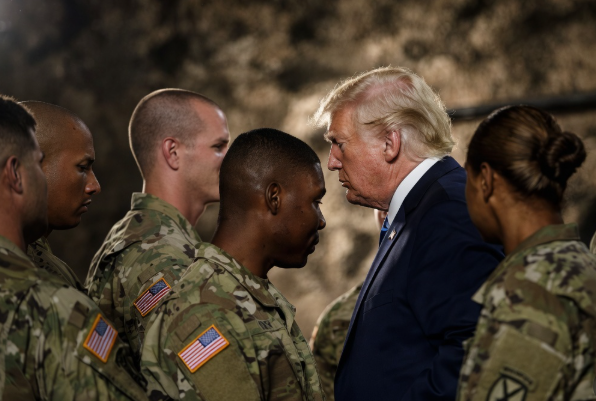
A burgeoning crisis between the United States and Iran reached a critical inflection point following reports of an unprecedented military walkout at 4:00 a.m. While official verification remains pending, the potential refusal of duty by service members underscores a profound internal strain within the American defense apparatus. This internal friction is exacerbated by the polarizing rhetoric of Donald Trump, who has proposed targeting civilian infrastructure—including power grids and bridges—within Iran. Such a move represents a drastic escalation in military strategy, drawing immediate scrutiny from legal experts who argue that targeting systems essential to civilian life could constitute a violation of international law and established wartime conventions.
Strategically, the proposed focus on infrastructure is being met with skepticism by seasoned analysts. Historical data suggests that destroying a nation’s vital networks rarely achieves the desired military outcomes; instead, it often galvanizes nationalist resistance and solidifies domestic support for the existing regime. In Washington, the political response has been swift and critical. Senator Chris Van Hollen and other prominent lawmakers have denounced the aggressive posture as “reckless,” warning of a lack of a coherent strategic roadmap. There is a palpable concern within Congress that executive decisions are bypassing traditional parliamentary debate and legislative oversight, potentially leading to an unauthorized and dangerous military escalation. The geopolitical ramifications of these developments extend far beyond the immediate region. Tehran has historically responded to external threats by adopting hardline positions, making the prospect of de-escalation through military pressure alone increasingly unlikely. Furthermore, critics point to the absence of a defined exit strategy as a significant risk factor that could draw the United States into a protracted conflict. As the situation evolves, global diplomats are reportedly engaging in back-channel negotiations to avert a total breakdown in communication. In an environment where a single miscalculation could redefine global security, the world remains fixated on whether a fragile balance of power can be maintained.