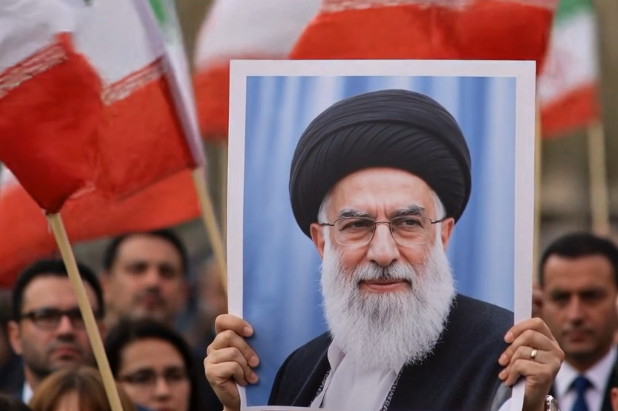
In March 2026, the reported death of the Supreme Leader of Iran triggered a significant shift in the global geopolitical landscape. The resulting power vacuum in Tehran has fueled regional instability
and aggressive rhetoric, prompting global intelligence agencies to monitor potential retaliatory strikes against United States interests. Unlike traditional maritime disputes, experts warn of a multi-domain conflict involving cybersecurity, space-based assets, and conventional military mobilization. Assessments suggest that current military maneuvers are likely forms of strategic signaling, intended to shape global perceptions rather than pursue conquest. However, U.S. defense circles are increasingly concerned about the vulnerability of critical infrastructure. Key areas of focus include metropolitan regions on the East Coast, defense installations on the West Coast, and energy infrastructure along the Gulf Coast. Rapid advancements in missile technology have effectively ended the era of geographic isolation, necessitating a new approach to national security that prioritizes resilience. The situation is further complicated by the “fog of crisis,” exacerbated by unverified reports on social media platforms. In response, the U.S. Government has maintained a posture of heightened vigilance while emphasizing that diplomacy and de-escalation remain the primary tools for resolution. The international community now watches closely as the world teeters between open confrontation and a return to stability through diplomatic channels.