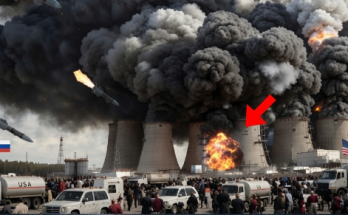
Tensions in the Persian Gulf have reached a critical flashpoint following a series of coordinated, widespread attacks targeting U.S. military facilities throughout the region.
Iranian state television, citing high-ranking officials, confirmed that Iran is responsible for the strikes, raising immediate international fears of a broader conflict. In the wake of the volatility, multiple Gulf countries have issued urgent safety directives, ordering residents to remain indoors and avoid areas near military installations as authorities evaluate the physical and strategic impact of the offensive. Significant disruption occurred in the United Arab Emirates following reports from Reuters of powerful explosions in Abu Dhabi. Early accounts suggest that Iranian ballistic missiles may have struck the Al Dhafra Air Base, resulting in the immediate closure of the nation’s civilian airspace. Simultaneously, in Bahrain, witnesses observed thick smoke rising from the Al Jufair district, the critical headquarters for the U.S. Navy’s Fifth Fleet. Although specific damage reports are still being verified, the synchronized nature of these events has intensified global concerns regarding the scale of the operation. The security crisis extended to Qatar, where the Interior Ministry urged civilians to shelter in place after a Patriot air defense system reportedly intercepted a missile near the Al Udeid Air Base. In a move mirrored by neighboring states, Qatari authorities suspended all civilian flight traffic to ensure public safety. This series of events represents a historic and dangerous escalation in regional hostilities, leaving global observers, international diplomats, and regional governments on high alert as they navigate a rapidly shifting and increasingly volatile security landscape in the Middle East.