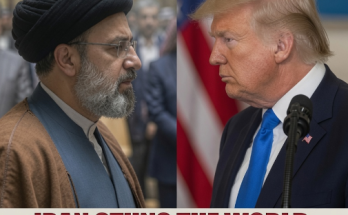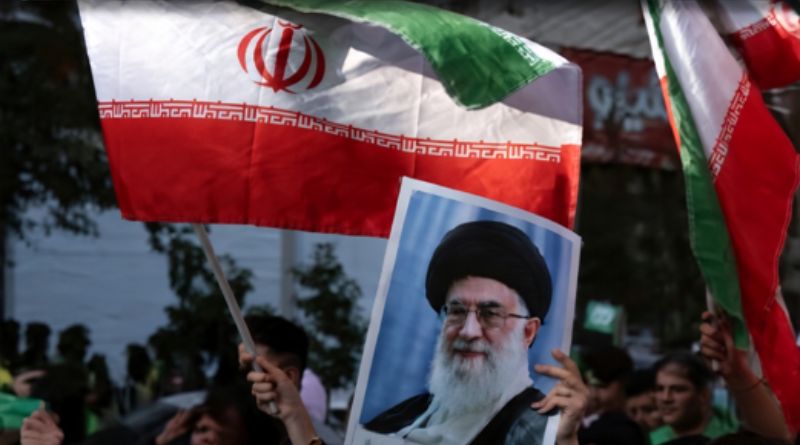
The geopolitical climate in March 2026 has entered a period of heightened uncertainty, with rising tensions in the Middle East drawing global attention. Long-standing rivalries—once managed through proxy conflicts, sanctions, and cautious diplomacy—now appear closer to direct confrontation. Reports surrounding the death of Iran’s Supreme Leader have fueled speculation about internal instability and the country’s future direction, while Tehran’s rhetoric has become more direct and strategic.
For many Americans, what once seemed like distant geopolitical developments has taken on a more immediate sense of concern. Online discussions and unverified reports, including claims of intercepted communications and satellite activity, have contributed to fears of possible retaliation. However, analysts emphasize that such information does not confirm imminent action, even if it suggests heightened military readiness.
Experts note that modern conflict extends beyond traditional battlefields into cyber operations, space-based systems, and long-range strike capabilities. While the United States maintains advanced defensive systems, evolving technologies continue to challenge even the most sophisticated protections. Speculation about potential targets—ranging from major cities to critical infrastructure—remains hypothetical and part of contingency planning, not confirmed intelligence.
Amid the uncertainty, officials continue to stress preparedness while urging calm, highlighting the importance of relying on verified information over speculation.