The initial explosions did more than destroy buildings—they shattered the already fragile hope that the conflict could still be contained. Reports that U.S. and Israeli aircraft had launched strikes inside Iran marked a sharp escalation, triggering immediate concern around the world and signaling the potential beginning of a far more dangerous phase.
In Tehran, military officials moved quickly to assess the damage and determine the scope and intent of the attack. Across the region, allied governments reacted with caution, carefully weighing their options. At the same time, global financial markets showed early signs of unease, reflecting fears that the situation could deteriorate further. A critical question rapidly emerged: could this confrontation expand into a broader and more destructive war?
According to officials in Washington and Tel Aviv, the strikes were part of a coordinated campaign reportedly known as Operation Epic Fury. They described the mission as a strategic effort aimed at weakening Iran’s military infrastructure and limiting its nuclear capabilities. Authorities emphasized that the operation focused on targets believed to pose imminent threats, with the goal of disrupting key systems and preventing future attacks.
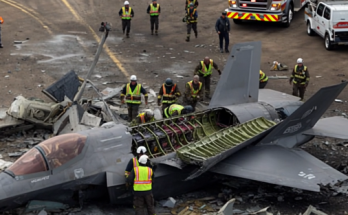
Images and videos circulating online appeared to show damaged facilities and destroyed air-defense systems, suggesting significant impact. However, Iranian state media presented a more measured account, reporting that some incoming missiles had been intercepted and downplaying the extent of the damage. Despite these differing narratives, Iranian officials issued firm warnings that a response would follow.
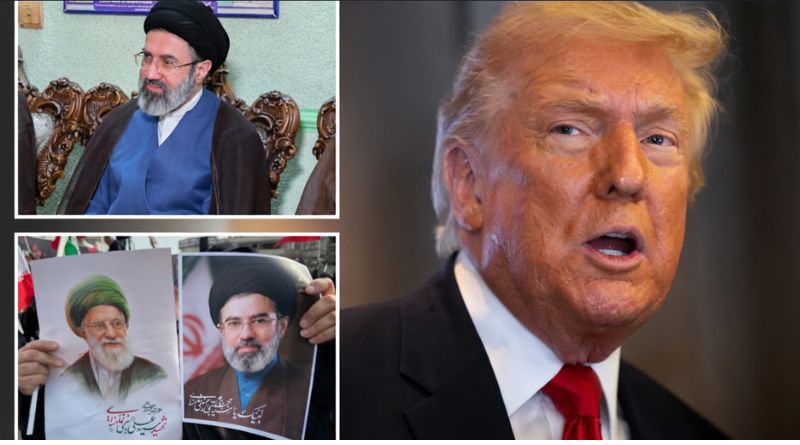
Leaders in Tehran responded with strong rhetoric, vowing what they called “devastating revenge.” Such statements heightened concerns among international observers, who fear that retaliation could trigger a dangerous cycle of escalation. Each potential response risks prompting further countermeasures, raising the possibility of a conflict that could quickly spiral beyond control.
Meanwhile, diplomatic efforts intensified behind the scenes. European leaders, along with other global actors, urged all sides to exercise restraint, warning that continued escalation could destabilize not only the Middle East but also the wider international system. The risk of miscalculation remained particularly high, as rapid developments and heightened tensions leave little room for error.
For civilians, the uncertainty was immediate and deeply felt. In major cities such as Tehran and Tel Aviv, families anxiously followed the unfolding situation, checking for updates and listening for warning sirens. Many were left wondering whether the violence would remain limited or evolve into a much larger and more devastating crisis, with consequences that could extend far beyond the region.