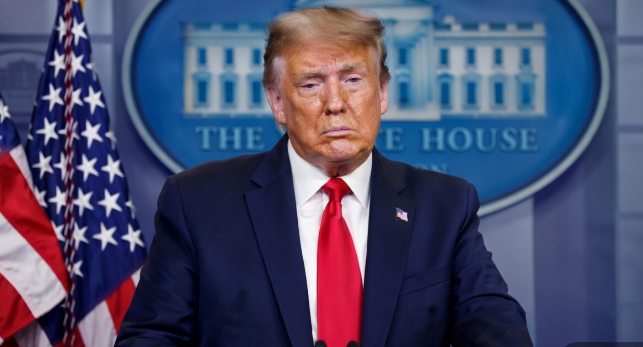
On March 9, 2026, the White House released a detailed medical memorandum concerning the health of President Donald Trump. According to Dr. Sean Barbabella, the president’s physician, the 79-year-old leader has been diagnosed with Chronic Venous Insufficiency (CVI), a common vascular condition. The update followed a series of medical evaluations triggered by mild swelling in the president’s lower legs. Despite this diagnosis, the report emphasizes that the President remains in “excellent overall health” and shows no evidence of heart disease, deep vein thrombosis,
or other significant arterial complications. The medical findings were confirmed through vascular ultrasound scans, which revealed that weakened vein valves were reducing the efficiency of blood returning to the heart. White House Press Secretary Karoline Leavitt addressed public concerns by clarifying that CVI is highly prevalent among older adults, particularly those over 70. She noted that the President continues to manage a demanding schedule of public appearances and official duties without pain or reduced capacity. The report also attributed visible hand bruising to a combination of frequent handshakes and the President’s routine use of aspirin for heart health management, rather than any underlying trauma. Medical specialists, including those from the Cleveland Clinic, estimate that up to 40% of Americans experience some degree of venous insufficiency. The condition typically develops as vein walls lose strength over time, leading to symptoms like ankle swelling and a sensation of heaviness in the legs. To manage the condition, the President’s medical team has recommended standard non-invasive strategies. These include wearing compression stockings to assist blood flow, elevating the legs during rest periods, and maintaining regular physical activity like walking. There has been no indication that the President requires minimally invasive surgical procedures at this time. The announcement has sparked a broader conversation regarding presidential transparency and the health of aging leaders. While some observers raised questions about long-term stamina, supporters pointed to the President’s active workload as a sign of continued vigor. By providing a factual, detailed report, the White House aimed to preempt speculation and maintain public confidence. Ultimately, the diagnosis represents a manageable, age-related condition that is not expected to interfere with the President’s ability to fulfill his constitutional responsibilities. The medical community views the update as a routine disclosure of a widespread health issue common to the elderly population.