A senior adviser to Defense Secretary Pete Hegseth, Dan Caldwell, was escorted out of the Pentagon and placed on administrative leave as part of an investigation into unauthorized disclosures of sensitive information, according to a Defense Department official.
Caldwell’s suspension comes amid a broader effort by the Pentagon to track down the sources of recent leaks involving national security matters. Officials say the investigation focuses on identifying individuals responsible for sharing classified or restricted information without authorization. Caldwell, who has been closely associated with Hegseth, is now at the center of that probe.
Before joining the Pentagon, Caldwell built a career as a foreign policy analyst aligned with a more restrained approach to U.S. military engagement overseas. He previously worked with Defense Priorities, a think tank that advocates limiting U.S. involvement in foreign conflicts, as well as Concerned Veterans for America, an organization once led by Hegseth. Throughout his career, Caldwell has argued for significantly reducing the American military presence in Europe and ending troop deployments in Iraq and Syria.
The Defense Department recently announced that it is intensifying efforts to prevent leaks and hold individuals accountable. As part of that effort, officials have said polygraph examinations may be used during the investigation, provided they comply with existing laws and departmental policies. In a memo outlining the plan, Department of Defense Chief of Staff Joe Kasper emphasized that the inquiry would begin immediately and culminate in a detailed report to the secretary of defense.
According to the memo, the report will compile a comprehensive record of unauthorized disclosures within the department and include recommendations aimed at strengthening internal safeguards. It also made clear that any evidence identifying individuals responsible for leaks could be referred for criminal prosecution, underscoring the seriousness with which the Pentagon is treating the issue.
Caldwell’s ties to Hegseth have drawn additional attention following a previously reported leak involving a private Signal messaging group. The chat, which discussed U.S. strikes against Houthi targets, identified Caldwell as the Pentagon’s point of contact for the operation. The conversation became public after National Security Advisor Mike Waltz mistakenly added a journalist—The Atlantic’s editor-in-chief Jeffrey Goldberg—to the group, exposing internal communications.
Officials have noted that Caldwell’s case is separate from another high-profile leak involving classified intelligence related to U.S. military strikes on Iran. That separate disclosure reportedly involved an early assessment suggesting that a series of powerful 30,000-pound “bunker buster” bombs did not significantly disrupt Iran’s nuclear enrichment capabilities.
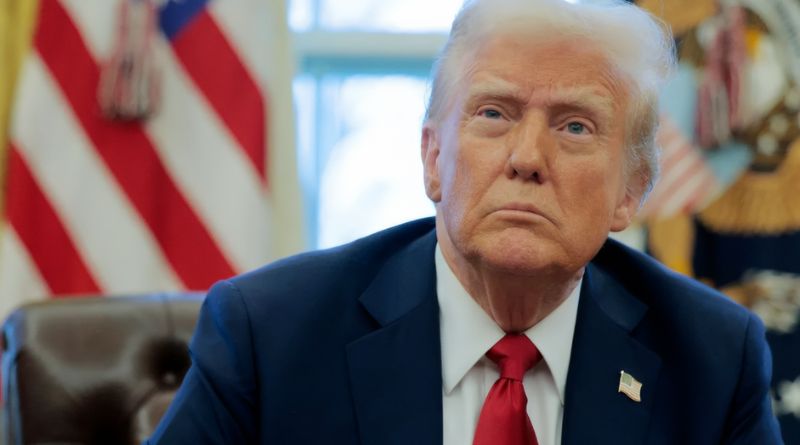
The reporting on that assessment sparked strong reactions from former President Donald Trump, who has criticized major news outlets such as CNN and The New York Times for their coverage. Trump has suggested that the leak was politically motivated and has expressed frustration over what he views as the undermining of military operations. He has also indicated that the White House may scale back the frequency of briefings on sensitive military matters in response to the leaks.
At a Pentagon press conference, Chairman of the Joint Chiefs of Staff Gen. Dan Caine addressed concerns about regional security, stating that U.S. officials had received warning signs indicating Iran might launch retaliatory attacks against American bases. In response, the military took precautionary steps, including evacuating a significant portion of personnel from potentially vulnerable locations.
During the same briefing, Hegseth strongly pushed back against media reports centered on a preliminary Defense Intelligence Agency (DIA) assessment of the strikes on Iran. He argued that the report had been mischaracterized and emphasized that it was incomplete, produced only a short time after the operation, and lacked coordination across the broader intelligence community.
Hegseth described the assessment as having “low confidence,” noting that it relied on limited data and included significant gaps in information. He also pointed out that the report itself acknowledged the need for additional time—potentially several weeks—to gather sufficient intelligence for a more definitive conclusion. According to Hegseth, key assumptions underpinning the early analysis could prove incorrect, which would significantly alter its findings.
He further contended that the report actually indicated the likelihood of severe damage caused by the strikes, contrary to some interpretations in media coverage. Hegseth suggested that the leak of the preliminary assessment may have been intended to cast doubt on what he characterized as a successful military operation, accusing those responsible of attempting to “muddy the waters” around the outcome.
The investigation into leaks, including Caldwell’s alleged role, remains ongoing as the Pentagon works to contain the fallout and prevent further unauthorized disclosures.