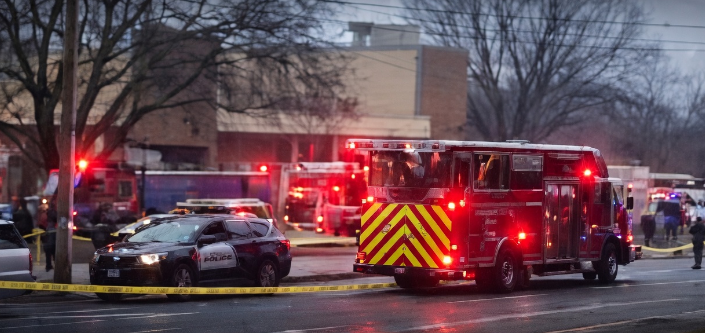
The Mexico–Querétaro Highway, one of the nation’s most critical transportation corridors, recently became the site of a catastrophic multi-vehicle accident that has reignited national debates regarding road safety and infrastructure accountability. Linking the capital to vital industrial zones, this highway carries thousands of commuters and heavy-duty freight vehicles daily. The collision occurred near the municipality of Huehuetoca, specifically at the notorious Jorobas intersection, where a chain-reaction crash involving passenger cars and large transport trucks resulted in multiple fatalities and a complete suspension of traffic for several hours. This event highlights the extreme vulnerability of major transit systems when risk factors such as high speed and heavy traffic volume converge.
The emergency response was immediate and multi-faceted. Paramedics, firefighters, and civil protection teams arrived quickly to manage a scene of significant destruction. Rescuers utilized specialized extraction equipment to reach victims trapped within the mangled remains of vehicles, working under high-pressure conditions to stabilize survivors. Nearby hospitals activated emergency protocols as a continuous stream of ambulances transported the injured to medical facilities. Simultaneously, security forces struggled to manage the massive congestion that stretched for miles, implementing detours and maintaining clear lanes for emergency access. The complexity of clearing the wreckage required heavy machinery and hours of coordinated effort, illustrating the logistical difficulty of managing crises on high-capacity routes. As the immediate crisis subsided, investigators turned their attention to the root causes of the disaster. Preliminary reports suggest that excessive speed played a decisive role, a common factor in accidents involving large-scale transport vehicles where braking distances are significantly increased. Furthermore, environmental variables such as reduced visibility—potentially caused by fog or inadequate lighting—are being examined as contributing elements that shortened driver reaction times. A thorough inspection of the mechanical integrity of the freight trucks involved is also underway to determine if equipment failure or lack of maintenance contributed to the tragedy. This methodical reconstruction of the accident is essential not only for legal accountability but for identifying the systemic flaws that plague the highway system. Beyond the technical and logistical analysis, the human cost of the collision is devastating. Each fatality represents a profound loss for families, while survivors are left to grapple with both physical injuries and long-term emotional trauma. This incident has prompted advocacy groups and safety experts to demand immediate policy changes. There is a growing consensus that the government must enforce stricter speed limits and mandate more rigorous mechanical inspections for commercial transport. Additionally, the Jorobas intersection has been identified as a high-risk zone requiring infrastructure upgrades, including modernized traffic management technology, improved signage, and better lighting to prevent future occurrences. Ultimately, the tragedy serves as a grim reminder of the delicate balance between logistical efficiency and public safety. While the highway remains an economic lifeline for Mexico, the safety of those who travel it must remain the highest priority. Preventing similar disasters will require a comprehensive approach that combines government regulation, infrastructure investment, and heightened personal responsibility from every driver. As the community mourns, the hope is that this event will act as a catalyst for meaningful reform, ensuring that future journeys end in safety rather than catastrophe.