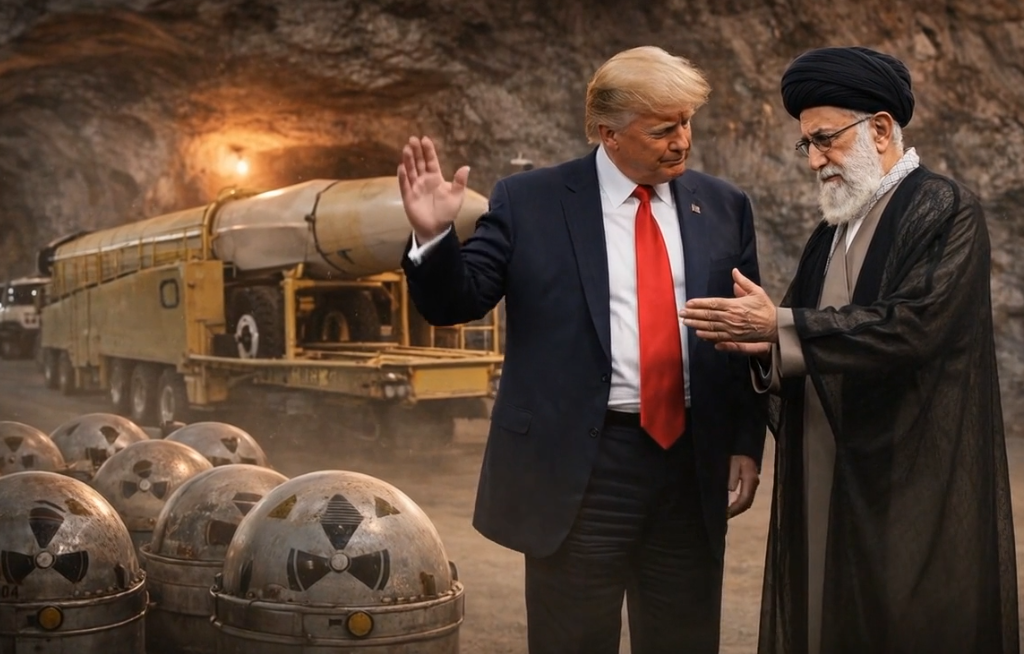
For decades, Iran has cultivated the Middle East’s most extensive missile program, which serves as a core component of its national security and regional deterrence. With a conventional air force constrained by aging hardware and sanctions, Tehran relies on an arsenal of over 3,000 ballistic missiles to project power. According to assessments from United States Central Command, this inventory is highly diverse, featuring systems designed for both rapid tactical
response and long-distance strategic strikes across the Middle East. Tactical capabilities are anchored by the Fateh and Zolfaghar families. These short-range systems are often utilized for “saturation attacks,” a strategy intended to overwhelm sophisticated air-defense networks by launching multiple projectiles simultaneously. On a strategic level, medium-range missiles such as the Shahab-3, Khorramshahr, and Sejjil boast ranges approaching 2,000 kilometers. While Iranian officials maintain this distance is the program’s current limit, some Western analysts believe the underlying technology could eventually support the development of even longer-range systems. Furthermore, Iran has claimed significant progress in advanced weaponry, notably the Fattah hypersonic missile, which is designed to evade modern defenses through extreme speed and maneuverability. This technological push is complemented by a “layered deterrence” framework that includes cruise missiles, expansive drone programs, and clandestine “missile cities” buried underground. Together, these assets form a formidable military infrastructure that continues to shape security dynamics and strategic planning throughout the region.