BEIT SHEMESH, Israel — A deadly missile strike in the Israeli city of Beit Shemesh has intensified concerns over a rapidly escalating confrontation between Israel and Iran, after authorities reported multiple incoming attacks and a significant number of casualties.
Israeli officials said the latest wave of Iranian strikes triggered warning sirens across several areas, sending residents toward bomb shelters as air-defense systems moved to intercept incoming missiles. The attacks came amid heightened regional tensions and growing expectations that Israel, potentially with U.S. support, could respond with additional military action.
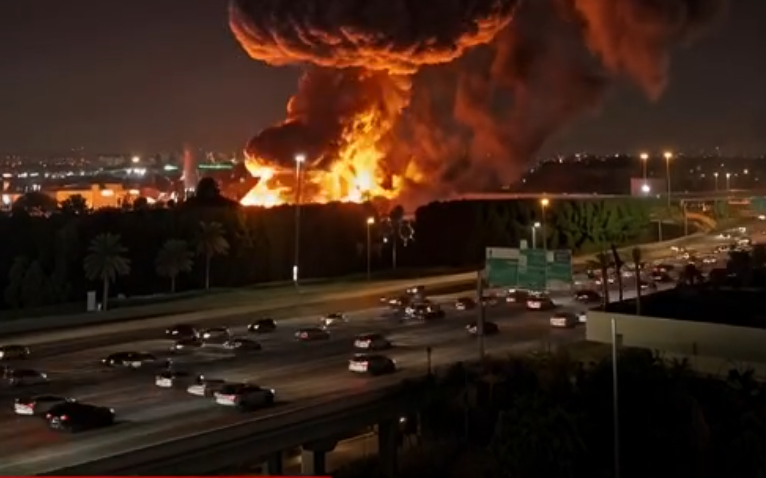
The most serious incident occurred in Beit Shemesh, west of Jerusalem, where a ballistic missile caused extensive destruction after striking a residential area. Medical officials reported that nine people were killed and 28 others were injured.
Among the injured, two people were reported to be in serious condition, two were in moderate condition and 24 suffered relatively minor injuries. Emergency personnel rushed to the scene as rescue teams searched through collapsed structures for survivors.
Missile Strikes Shelter, Causing Deadly Collapse
The circumstances of the Beit Shemesh attack made the incident particularly devastating. Officials said many of those affected had sought protection inside a public shelter when the missile struck.
Jerusalem District Police Chief Avshalom Peled said the missile directly hit a synagogue, causing the structure to collapse onto the shelter below. The impact reportedly trapped people beneath heavy debris and created extremely difficult conditions for rescue crews.
Peled described the strike as a direct hit and said the majority, if not all, of the casualties were believed to have been inside the protected area when the missile struck.
Firefighters, police officers, medical teams and search-and-rescue personnel worked through the damaged site to locate victims and provide emergency treatment. Heavy structural damage complicated the operation, while authorities continued assessing the full extent of the destruction.
The incident has highlighted the dangers faced by civilians even when they follow emergency instructions and seek refuge in designated protected spaces.
Regional Tensions Continue to Rise
The attack occurred as Israel and Iran remain locked in an increasingly dangerous confrontation involving missile strikes, air-defense operations and threats of further retaliation.
Israeli authorities have placed emergency services and security forces on heightened alert as officials assess whether additional attacks could follow. Residents in affected areas have been urged to remain close to protected spaces and comply with instructions issued by local authorities.
The latest casualties are expected to intensify political pressure on Israel’s leadership as it considers its next steps. Any Israeli military response could further widen the conflict and increase the risk of attacks involving Iranian-backed groups elsewhere in the region.
The United States is also closely involved in the broader crisis, adding another layer of uncertainty to an already volatile situation. Officials have repeatedly emphasized the importance of protecting American personnel and allied forces while monitoring developments across the Middle East.
A Crisis With Wider Consequences
The Beit Shemesh strike underscores the growing human cost of the conflict. Beyond military targets and strategic calculations, missile exchanges are increasingly affecting ordinary families, homes and civilian infrastructure.
For residents in affected communities, the sound of warning sirens has become a reminder that even fortified shelters cannot eliminate every danger.
Authorities said the security situation remains fluid, and casualty figures could change as emergency crews complete their work and investigators assess the damage.
For now, Israeli forces remain on alert, emergency teams continue responding to the aftermath, and residents across vulnerable areas are being urged to remain vigilant.
The deadly strike in Beit Shemesh has become another stark indication of how quickly the Israel-Iran confrontation can escalate—and how profoundly its consequences can be felt far from the battlefield.