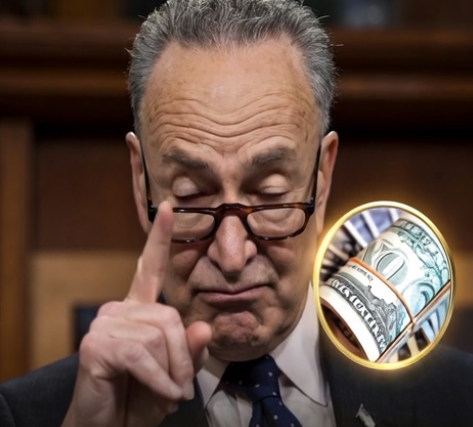
During a United States government shutdown, a stark financial contrast emerges within the nation’s capital. While thousands of federal employees and independent contractors face the uncertainty of delayed paychecks and mounting bills, members of Congress continue to receive their full salaries without interruption. This discrepancy has sparked intense public scrutiny and a growing demand for fairness and accountability in Washington.
Critics contend that this insulation from the consequences of fiscal failure creates a significant disconnect between the lived reality of the public workforce and the elected officials responsible for the legislative gridlock. The push for reform centers on the concept of shared sacrifice. Advocates suggest that tying the pay of lawmakers to their ability to pass a budget would provide a necessary incentive for more efficient budgeting and swifter negotiations. By aligning the financial interests of legislators with those of the people most directly impacted by budgetary stalemates, proponents hope to prevent future service disruptions and economic hardship. However, the path to such reform is heavily obstructed by structural challenges rooted in the nation’s founding legal framework. Specifically, the Twenty-Seventh Amendment to the Constitution provides a robust legal shield for congressional compensation. It stipulates that any laws changing the salary for Senators and Representatives cannot take effect until an intervening election has occurred. This constitutional hurdle makes it nearly impossible to halt pay immediately during an active shutdown, leaving a complex legal and ethical landscape that continues to complicate the quest for legislative accountability and fiscal reform.