The Hormuz Standoff: Rubio Navigates Precarious Diplomacy and the Iranian ‘Plan B’
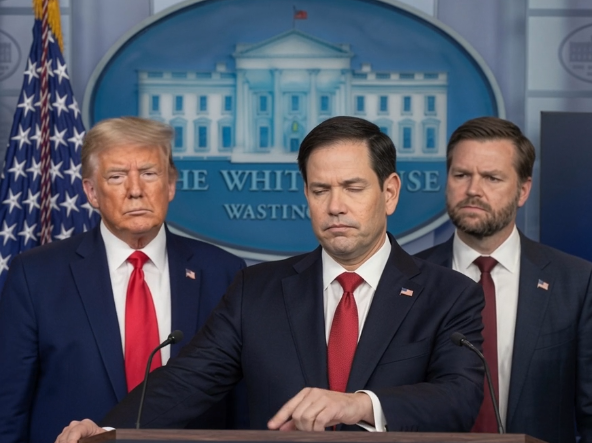
U.S. Secretary of State Marco Rubio recently signaled a subtle shift in the high-stakes geopolitical standoff involving the United States, Israel, and Iran. While acknowledging “a little bit of movement” in back-channel negotiations, Rubio emphasized that the U.S. is not yet ready to celebrate. He issued a stern warning that the diplomatic window remains narrow and that Washington is actively maintaining a “Plan B” should talks fail to yield a breakthrough. Facilitating these delicate discussions is Pakistan, with Army Chief Field Marshal Syed Asim Munir acting as a primary intermediary. Munir is currently slated for consultations in Tehran to bridge the gap between Washington and the Iranian leadership, highlighting the critical role of third-party mediation in preventing regional escalation.A primary point of contention and a hard “red line” for the U.S. is Iran’s attempt to exert control over the Strait of Hormuz by implementing a controversial “tolling system.” This proposed regulatory framework, dubbed the Persian Gulf Strait Authority by Iranian state media, would require commercial vessels to obtain prior authorization and follow specific guidelines via official communication channels. Rubio slammed the move as “completely illegal” and a “nonstarter,” arguing that such a system would render any diplomatic deal unfeasible. Given that the strait facilitates nearly twenty percent of the world’s oil exports, Rubio noted that any disruption is a global threat that the international community cannot ignore, especially as Tehran continues to dig in on its demands for transit fees.The European Union has joined the diplomatic fray by expanding its sanctions framework against Iran. These new measures target individuals and entities responsible for the blockade of the Strait of Hormuz, which the EU has declared a violation of international law. The sanctions include travel bans and asset freezes, aimed at curbing the financial resources of those disrupting maritime transit. Meanwhile, regional instability persists in Lebanon, where Israeli strikes have resulted in over 3,100 deaths since early March. Despite a U.S.-brokered ceasefire attempt in mid-April, Hezbollah continues to reject the truce and opposes ongoing meetings in Washington, further complicating the Biden administration’s efforts to stabilize the Middle East.Despite these hurdles, there remains a glimmer of optimism within the Trump administration. Fox News anchor Bret Baier reported that President Donald Trump expressed “cautious optimism” regarding a potential memorandum of understanding with Iran. While Trump suggested a deal could be reached within a week, the reality on the ground remains volatile. Rubio’s insistence that Iran must abandon its maritime “tolling” ambitions underscores the fragility of the current situation. As Washington balances the prospect of a breakthrough with the necessity of a military or economic alternative, the coming weeks will determine if the Strait of Hormuz remains a corridor for global trade or becomes a permanent flashpoint for conflict.