Political Satire, Public Reaction, and the Debate Over Rhetoric
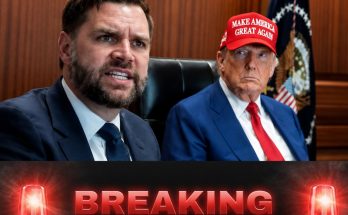
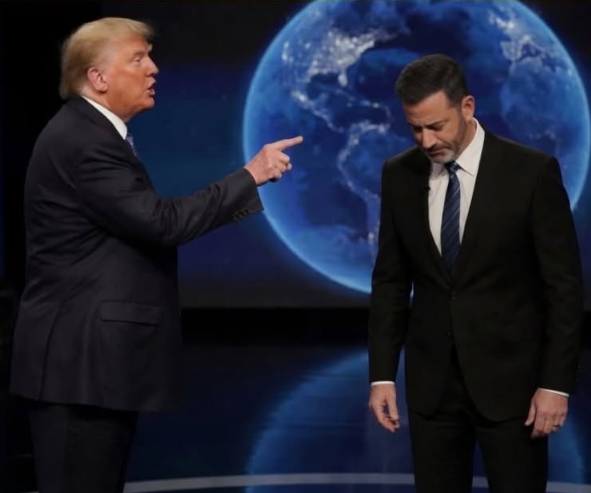
A joke delivered by late-night host Jimmy Kimmel took on new significance after an assassination attempt targeting Donald Trump occurred just two days later. What had initially been viewed as political satire quickly became the center of a broader national debate about rhetoric, responsibility, and the limits of public discourse.
The joke, which referenced an “expectant widow,” drew intense criticism following the attack. Trump publicly condemned the remark, while Melania Trump expressed concern and frustration over the tone of political commentary surrounding her husband.
In response, Kimmel acknowledged that the timing of the joke was unfortunate but rejected suggestions that his remarks encouraged violence. He argued that the joke was intended as commentary on politics, power, and age rather than a prediction or endorsement of harm. Kimmel also emphasized his longstanding criticism of gun violence and maintained that comedy should not be blamed for the actions of an individual attacker.
The controversy has reignited discussion about the role of political satire in an increasingly polarized environment. Supporters of Trump argue that inflammatory rhetoric can contribute to a hostile climate, while others contend that comedians and commentators should not be held responsible for violent acts committed by others.
Ultimately, the episode highlights a growing challenge in American public life: determining where satire ends, responsibility begins, and how political discourse can remain vigorous without deepening division or fear.