U.S. and Iran Make Progress Toward Potential Deal to End Conflict
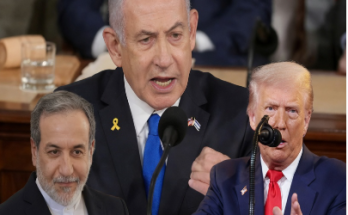
WASHINGTON — President Donald Trump, Vice President JD Vance, Secretary of State Marco Rubio and other senior administration officials are working intensively to finalize a possible agreement aimed at ending the war with Iran, even as limited military clashes continue under a fragile cease-fire.
“The straits have to be open, they’re going to be open,” Trump declared during a trip to India, describing disruptions in the vital waterway as unlawful, illegal and unsustainable for global commerce. Rubio noted that talks were underway in Qatar on Monday and indicated the administration is pursuing a clear outcome: “a good deal or no deal.”
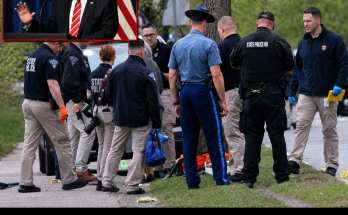
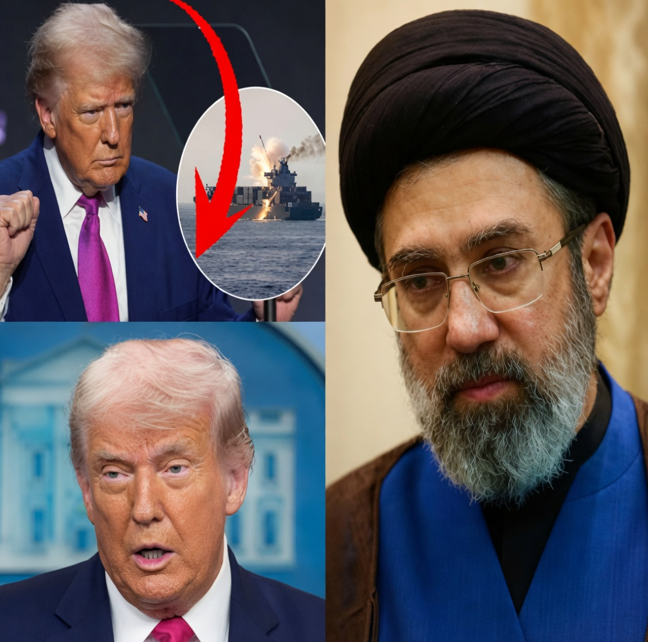
U.S. Central Command carried out what it described as “self-defense strikes” in southern Iran on Monday, targeting missile launch sites and Iranian boats attempting to place mines near the strategic port and naval base at Bandar Abbas. Capt. Tim Hawkins, a CENTCOM spokesperson, said the action was necessary to protect American troops and naval forces from threats posed by Iranian units. The strikes occurred in the vicinity of dozens of U.S. warships—including two aircraft carriers—and warplanes enforcing a blockade around Iranian ports in the Gulf of Oman and Arabian Sea.
Hawkins emphasized that U.S. forces “continue to defend our forces while using restraint during the ongoing cease-fire,” which took effect approximately six weeks ago. He declined to provide specifics on which vessels came under fire or the precise locations of the U.S. responses.
Despite the incidents, diplomatic efforts advanced. Iranian officials acknowledged that Tehran and Washington have reached understandings on a significant portion of the issues under discussion. Foreign Ministry spokesman Esmaeil Baqaei told reporters that “it is correct to say that we have reached a conclusion on a large portion of the issues,” but cautioned that a final agreement is not imminent and accused Washington of shifting positions.
A senior Trump administration official said Iran has agreed in principle to eliminate its highly enriched uranium stockpile and reopen the Strait of Hormuz in exchange for the lifting of the U.S. blockade. The official described Iran as more willing to negotiate following recent military pressure and expressed confidence that the emerging deal would exceed the scope of the 2015 Obama-era nuclear agreement. Trump has sharply criticized that earlier deal, accusing the former president of providing Iran with “massive amounts of CASH” and a path to a nuclear weapon.
Enforcement mechanisms remain a key focus. Administration sources stressed that the duration of any enrichment limits—whether 20 or 30 years—is secondary to verifiable compliance. Work continues on bridging remaining differences, with both sides describing the basic framework as largely settled.