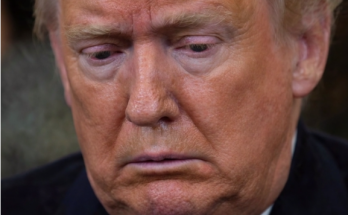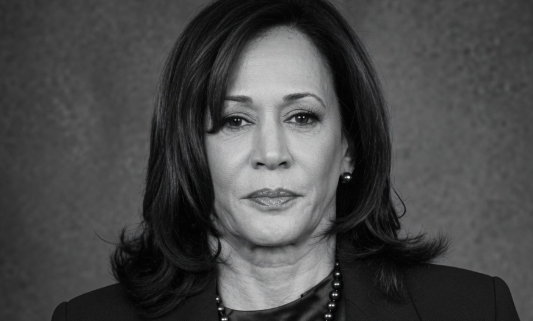
The recent election loss of Kamala Harris to Donald Trump has sparked a wave of internal criticism and reflection within the Democratic Party. While some blame the late withdrawal of Joe Biden, many insiders argue the campaign suffered from a fundamental misunderstanding of the United States political landscape. Strategists reportedly operated under the flawed assumption that they could maintain a traditional coalition without adapting to an evolving electorate, a mistake that former San Francisco Mayor Willie Brown compared to Hillary Clinton’s 2016 failure. Brown noted that the campaign prioritized internal optimism over hard data, leading to significant blind spots.
Messaging proved to be a major hurdle, as the Harris campaign attempted to appeal to too many interest groups simultaneously. This approach diluted her core message and left voters confused about whether she represented a fresh start or a continuation of the Biden administration. While her team spent valuable time defending the current administration’s record, the Trump campaign executed a targeted narrative that framed Harris as disconnected from the daily economic struggles of the average voter. In the final weeks, the lack of focus on battleground states and late outreach to Latino and rural communities proved fatal. Support among young voters—a traditional Democratic stronghold—also began to erode. Described as “improvised” in its final stages, the campaign failed to pivot when it became clear they were losing ground. Ultimately, the defeat serves as a cautionary tale for the Democratic Party on the necessity of strategic realism and direct engagement with a diverse national electorate over sentimental assumptions.