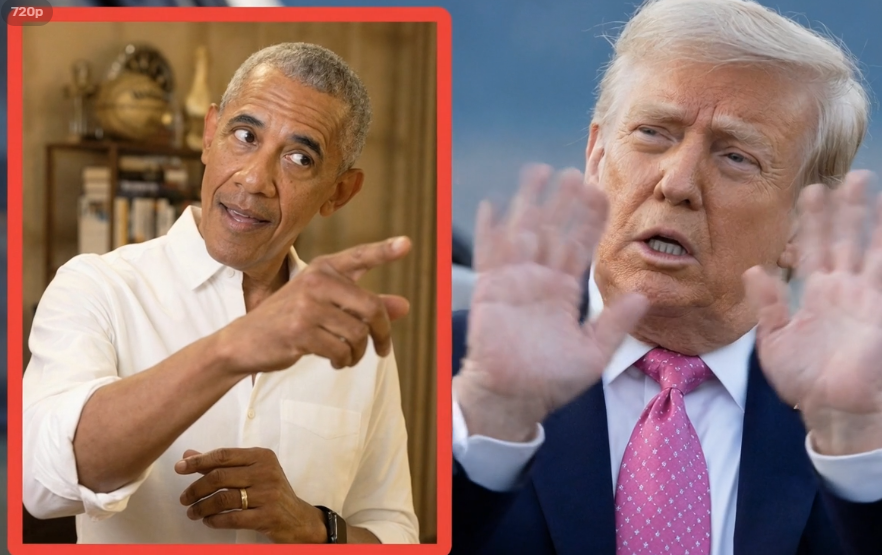
A high-stakes political rift has erupted between former President Barack Obama and key allies of the Trump administration over the fundamental role of the Department of Justice (DOJ). The dispute was sparked by Obama’s recent interview with Stephen Colbert, where he asserted that the White House should not influence specific prosecutions. Obama argued that the Attorney General must serve as the “people’s lawyer” rather than a “consigliere” for the President. This critique follows several indictments against Trump critics, drawing a sharp response from former FBI Deputy Director Dan Bongino. Bongino hinted at having access to sensitive documents regarding the Obama administration’s actions during the Russia investigation, warning that the former president could face future scrutiny for the “original political weaponization” of law enforcement.
In defense of the current administration, Acting Attorney General Todd Blanche cited Article II of the Constitution to argue that all executive power resides with the President. Blanche rejected the notion of an independent Attorney General and labeled Democratic criticisms as hypocritical, referencing the various legal challenges Donald Trump faced during the Biden era. This legal philosophy suggests a shift toward more direct presidential control over federal law enforcement priorities, challenging long-standing norms of agency independence and redefining the boundaries of the executive branch. The conflict is further illustrated by the indictment of former FBI Director James Comey in North Carolina. Prosecutors claim a social media post by Comey featuring seashells was a coded threat against the 47th president, though Comey denies any violent intent. While previous cases against Comey and New York Attorney General Letitia James were dismissed on procedural grounds, voices like Mollie Hemingway continue to accuse Obama of orchestrating a “coup” through a “collusion hoax.” As the Trump administration pursues aggressive investigations into former officials, the national debate over executive authority and the weaponization of justice remains a volatile centerpiece of American politics.