In the modern digital landscape, the rapid flow of information across social media often blurs the line between reality and speculation. During periods of heightened conflict, such as recent escalations near Tel Aviv, the prevalence of “just now” updates and unverified reports from unnamed officials can mislead the public. Professional reporting necessitates a rigorous approach to separate viral claims from confirmed data to prevent the dangerous spread of misinformation during volatile events.
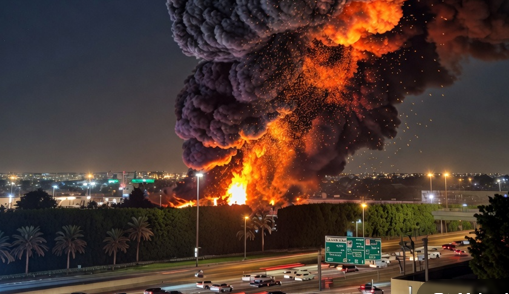
A somber example of the need for factual verification is the specific incident in Beit Shemesh. On March 1, 2026, the area suffered a direct hit from a ballistic missile attributed to Iranian launches. This strike resulted in nine confirmed fatalities and a significant number of injuries. It was noted that many victims were utilizing public shelters at the time of the impact, a fact that highlights the extreme risks posed by such weaponry and the life-saving importance of robust civil defense infrastructure. Avshalom Peled, serving as the Deputy Commissioner and Jerusalem District Police Chief, has been instrumental in providing transparency regarding the event. His detailed accounts of sheltering procedures illustrated how organized safety measures helped mitigate even higher casualty rates despite the severity of the impact. By March 2, official visits and follow-up reports by Israeli authorities further reinforced the verified accounts of the tragedy, ensuring that the global narrative remains grounded in evidence-based reporting rather than social media hearsay.