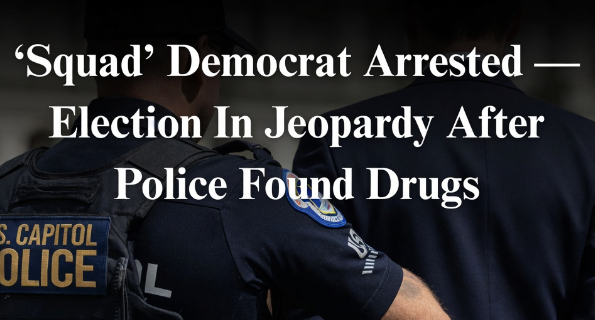
In a development that has sent shockwaves through the Indiana political landscape, Andrew Dezelan, a Democratic candidate for the Indiana State Senate, was arrested in Fishers following a series of alarming events. Dezelan, 38, who has a long tenure as the policy director for the Indiana Senate Democratic Caucus, was reportedly canvassing in a local neighborhood when police were called to investigate a solicitation complaint. Upon arrival, officers noted that Dezelan exhibited signs of drug influence, including rapid speech and pinpoint pupils. The situation escalated when he allegedly attempted to flee by putting his vehicle in reverse before being forcibly detained. A subsequent search of his vehicle yielded a substance that field-tested positive for cocaine, resulting in charges of possession and resisting law enforcement.
This individual scandal serves as a backdrop to a broader narrative of struggle for the Democratic Party’s far-left wing. Across the Midwest, particularly in Illinois, progressive candidates associated with the group often referred to as “The Squad” have suffered significant losses in recent primary elections. In March, all six candidates in Illinois House races linked to this movement were defeated, a result that critics and political analysts suggest signals a shift toward more mainstream Democratic values. This trend was celebrated by the American Israel Public Affairs Committee (AIPAC), which actively campaigned against these candidates, describing their defeat as a victory for mainstream politics over what they termed “extreme” anti-Israel stances. One of the most notable defeats occurred in the 9th Congressional District, where social media influencer and activist Kat Abughazaleh lost to Evanston Mayor Daniel Biss. Despite high-profile endorsements from Senator Elizabeth Warren and members of the Congressional Progressive Caucus, Abughazaleh’s more radical tactics—including a previous arrest during an ICE protest—appeared to alienate moderate voters. Other candidates targeted by AIPAC, such as Kina Collins and Junaid Ahmed, also failed to secure victories, highlighting the significant influence of outside spending and the current ideological friction within the party. As the Democratic Party navigates these internal divisions and legal scandals, the Republican landscape appears comparatively settled regarding future leadership. Reports indicate that Vice President JD Vance has already emerged as a preferred pick for the 2028 presidential election cycle. The contrast between the Democratic primary turmoil and the early consolidation of the Republican base suggests a complex road ahead for the 2024 midterms and beyond, as both parties attempt to define their core identities in an increasingly polarized political environment.