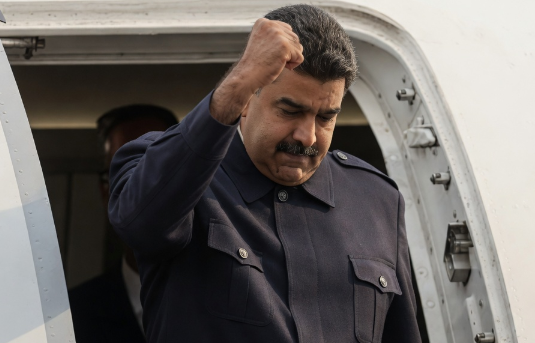
In recent weeks, the digital landscape has been flooded with sensationalist headlines and viral social media posts suggesting that Nicolás Maduro is on the verge of returning to his homeland. These reports have sparked a mix of hope and anxiety across Venezuela and the international community. However, a professional journalistic audit of the facts reveals a starkly different situation. Far from a homecoming, Nicolás Maduro remains in the custody of the United States government, a status that has not changed since a significant military intervention earlier this year. The sequence of events that led to the current stalemate began on January 3, 2026. During this time, a high-stakes U.S. military operation was executed, targeting specific strategic locations within Venezuela. This was not a standard diplomatic intervention but a coordinated extraction mission involving elite air and ground forces supported by a network of international intelligence agencies. Following his rapid extraction, Maduro was transported directly to the United States, where he was placed into federal custody to face a litany of serious criminal charges. The legal framework surrounding his detention is centered on several grave allegations, primarily drug trafficking conspiracy and narco-terrorism. These charges allege a long-standing involvement in international criminal enterprises that have impacted the security of the Western Hemisphere. While Maduro has officially entered a plea of not guilty, the legal proceedings are expected to be lengthy and complex. As it stands, there are no credible diplomatic agreements or judicial orders that would facilitate his release or return to Venezuela at this time.
In the wake of his removal from power, the political structure within Venezuela has undergone a significant transition. Delcy Rodríguez assumed the role of acting president, tasked with the immense responsibility of navigating the nation through an era of profound uncertainty. Her administration has prioritized the stabilization of the national economy and the restoration of fractured international relations. Notably, there has been a visible effort to re-engage with the United States and other global powers to rebuild diplomatic bridges that were burned during the previous regime. Despite the official record, misinformation continues to thrive. The reason for the rapid spread of rumors regarding a “return to the patria” is multi-faceted. The high level of political sensitivity surrounding the Venezuelan crisis ensures that any news—regardless of its accuracy—will attract global attention. Furthermore, the use of click-driven headlines and emotionally charged language encourages users to share content before verifying its origin. In the digital age, the viral nature of such claims often overshadows the nuanced reality of ongoing court proceedings and international law. Internationally, the reaction to Maduro‘s detention has been polarized. While many governments have supported the shift toward a new leadership model in Caracas, others have raised concerns regarding sovereignty and the adherence to international legal norms. Inside the country, the situation remains dynamic; while there are loud calls for political reform and democratic transparency, some sectors of the population remain loyal to the former leader, illustrating a deeply divided national psyche. Ultimately, the current status of Nicolás Maduro is one of legal limbo within the American judicial system. The lesson for observers is the vital importance of media literacy. In a world where “breaking news” is often a facade for misinformation, relying on official statements and verified journalistic sources is the only way to understand the true trajectory of Latin American geopolitics. For now, the prospect of Maduro‘s return remains a digital fiction, as Venezuela continues its difficult journey under interim leadership.