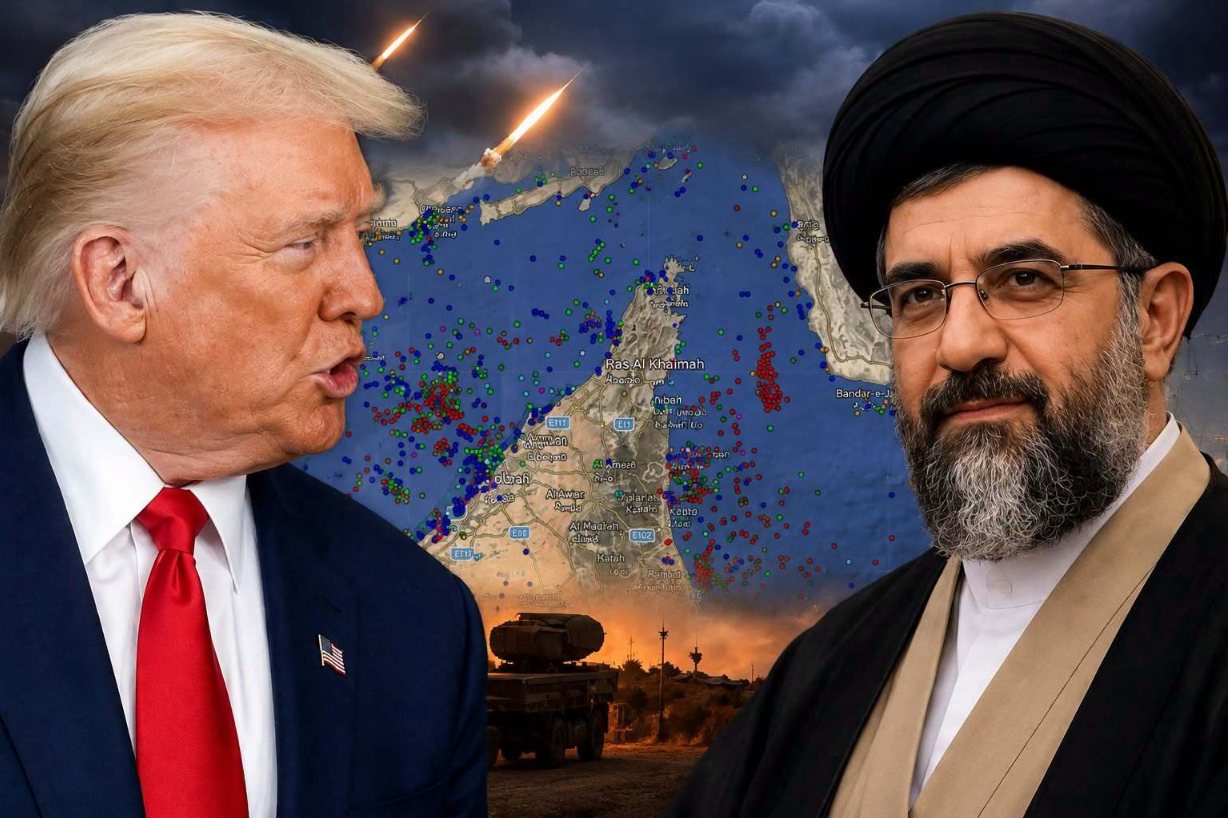
The administration of President Donald Trump is currently navigating a complex and volatile geopolitical landscape as it seeks a definitive resolution to the conflict with Iran. Alongside Vice President JD Vance and Secretary of State Marco Rubio, the administration is refining the final details of a proposed diplomatic agreement aimed at ending hostilities. During a recent high-profile visit to India, Secretary Rubio underscored the urgency of the situation, specifically emphasizing that the Strait of Hormuz must be reopened to international traffic. Describing the current disruptions as “unlawful,” “unsustainable,” and “unacceptable,” Rubio clarified that the United States is prepared to see the waterway cleared “one way or the other” to maintain global economic stability. This diplomatic push is governed by Trump‘s firm stance that he will only accept a “good deal” that avoids the perceived failures of previous international agreements.
While high-level negotiations are being conducted in Qatar, the military dimension of the conflict remains active. U.S. Central Command (CENTCOM) recently authorized a series of “self-defense strikes” in southern Iran to neutralize immediate threats to American personnel. Captain Tim Hawkins, a spokesperson for CENTCOM, reported that the targets included missile launch sites and Iranian naval vessels attempting to deploy mines. These strikes were concentrated near the strategic port and navy base at Bandar Abbas. The military action underscores the fragility of the six-week-old ceasefire, as the United States continues to maintain a formidable presence in the region, including two aircraft carrier strike groups and dozens of warplanes enforcing a blockade in the Gulf of Oman and the Arabian Sea.
The core of the ongoing discussions in Qatar involves a significant restructuring of Iran’s nuclear capabilities. The Trump administration is seeking a framework that is considerably more restrictive than the 2015 nuclear deal negotiated under the Obama administration. President Donald Trump has long criticized the previous accord for providing Iran with “massive amounts of cash” while leaving a potential path to nuclear armament. The current proposal reportedly requires Iran to eliminate all highly enriched uranium and agree to stringent, long-term enforcement mechanisms. In exchange for these concessions, the United States would lift its naval blockade of the Strait of Hormuz and provide substantial sanctions relief. Administration officials have noted that Iran appears more open to these terms following the recent application of military pressure.
Despite the momentum, Tehran remains cautious regarding the finalization of the treaty. Esmaeil Baqaei, the spokesman for the Iran foreign ministry, confirmed that while understandings have been reached on a “large portion” of the agenda, a final signing is not yet imminent. Baqaei accused Washington of shifting its positions during the talks, which has introduced new hurdles in the drafting process. However, the Trump administration remains optimistic, prioritizing the quality of enforcement over the specific duration of the deal. Whether the agreement spans 20 or 30 years, the United States is focused on ensuring Iran makes a “strong promise” not to enrich uranium, backed by verification protocols that go far beyond any previous international standards. As the dialogue continues in Qatar, the administration remains committed to its “good deal or no deal” philosophy to ensure lasting regional security.