The administration of President Donald Trump, alongside Vice President JD Vance and Secretary of State Marco Rubio, is currently engaged in intensive efforts to finalize a diplomatic resolution aimed at ending the ongoing conflict with Iran. Secretary Marco Rubio recently underscored the gravity of the situation during a diplomatic visit to India, where he issued a stern warning regarding the Strait of Hormuz. According to Rubio, the reopening of this vital maritime passage is non-negotiable, describing the current Iranian blockade as illegal, unsustainable, and unacceptable to the global community. The administration’s stance remains firm: the waterways must be opened either through diplomatic agreement or through more direct intervention, as the world’s energy security hangs in the balance.
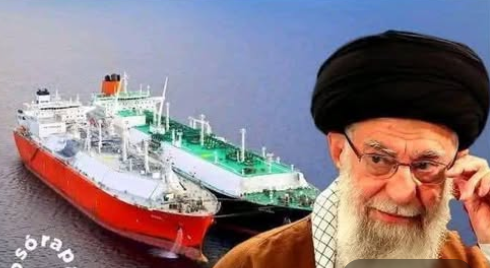
Simultaneously, active negotiations are unfolding in Qatar, where representatives from both nations are scrutinizing the specific language of a potential initial agreement. President Donald Trump has signaled his commitment to a “good deal or no deal” approach, seeking to avoid what he characterizes as the pitfalls of previous diplomatic efforts. While the U.S. Central Command, represented by Captain Tim Hawkins, maintains that American forces are operating with restraint during an ongoing cease-fire, recent “self-defense strikes” have been conducted in southern Iran. These strikes targeted missile launch sites and Iranian vessels attempting to deploy mines near the strategic port and navy base at Bandar Abbas. These actions were necessitated by threats against Navy warships and aircraft carriers currently enforcing a blockade in the Gulf of Oman and the Arabian Sea.
From the perspective of Tehran, the outlook is one of cautious progress tempered by skepticism. Foreign ministry spokesman Esmaeil Baqaei confirmed during a briefing in Tehran that while “understandings on many subjects” have been reached, a final deal is not yet imminent. Iran has accused Washington of shifting its positions, which has slowed the momentum toward a formal signing. Despite these hurdles, a high-ranking administration official suggested that Iran appears more receptive to negotiations following recent military operations, indicating that the combined pressure of the U.S. blockade and targeted military responses may be influencing the diplomatic landscape more effectively than previous iterations of foreign policy.
The core tenets of the proposed agreement center on a significant reduction in Iran’s nuclear capabilities and the restoration of regional trade. The Trump administration is demanding a robust commitment from Iran to cease the enrichment of highly enriched uranium and to dispose of existing stockpiles. In exchange for these nuclear concessions, the United States has expressed a willingness to lift its blockade of the Strait of Hormuz and ease the economic sanctions that have crippled the Iranian economy. President Trump has been vocal in his criticism of the Obama administration’s 2015 deal, which he claims provided Iran with massive amounts of cash and a path to a nuclear weapon. Consequently, the current administration is pushing for a more permanent and strictly enforced ban on enrichment activities, with a focus on rigorous enforcement mechanisms rather than just the duration of the agreement.
As the world watches the developments in Qatar, the tension between military action and diplomatic dialogue remains palpable. The Trump administration’s strategy appears to be a dual-track approach: utilizing maximum military and economic pressure to force Iran into a comprehensive settlement that goes beyond previous frameworks. While the basic principles of the deal are reportedly agreed upon by many stakeholders, the finalization of specific language and the verification of Iran’s promises remain the primary obstacles. The coming days will be critical in determining whether this high-pressure diplomacy will result in a historic peace or a return to escalated hostilities in the Middle East.