A high-stakes legislative showdown is unfolding in the Senate as a panel prepares to vote on a pivotal bill introduced by Senator Josh Hawley (R-Mo.). The legislation, officially titled the Preventing Elected Leaders from Owning Securities and Investments (PELOSI) Act, seeks to impose a comprehensive ban on members of Congress and their spouses from buying, selling, or holding individual stocks during their tenure in public office. Senator Josh Hawley has positioned the bill as a necessary measure to restore public trust, arguing that lawmakers should prioritize their constituents rather than engaging in day trading informed by non-public information. To accommodate financial stability, the act would permit investments in diversified mutual funds, exchange-traded funds (ETFs), and U.S. Treasury bonds.
The procedural path for the PELOSI Act has been complicated by internal political friction and constitutional concerns. While Josh Hawley claims the bill has garnered support from House Speaker Mike Johnson (R-La.) and has been viewed favorably by former President Donald Trump, the White House Office of Legislative Affairs recently expressed reservations. These concerns stem from last-minute amendments that would extend the stock trading ban to the President and Vice President. Executive branch officials cautioned that such language might lead to Article II infringements, potentially overstepping the constitutional bounds placed upon the executive branch by the legislature.
Opposition has also emerged from within the Republican party, specifically from Senator Rand Paul (R-Ky.), the Chairman of the Homeland Security & Governmental Affairs committee. Senator Rand Paul has argued that including the presidency in the ban could create unnecessary barriers for successful individuals—mentioning Donald Trump specifically—who may wish to run for office. Despite his personal opposition, Paul has scheduled the committee vote, suggesting a tactical deal to move other legislation forward without being bogged down by amendments. In response to these pressures, Josh Hawley is reportedly considering adjustments that would make the ban effective only at the start of an official’s next term to mitigate immediate pushback.
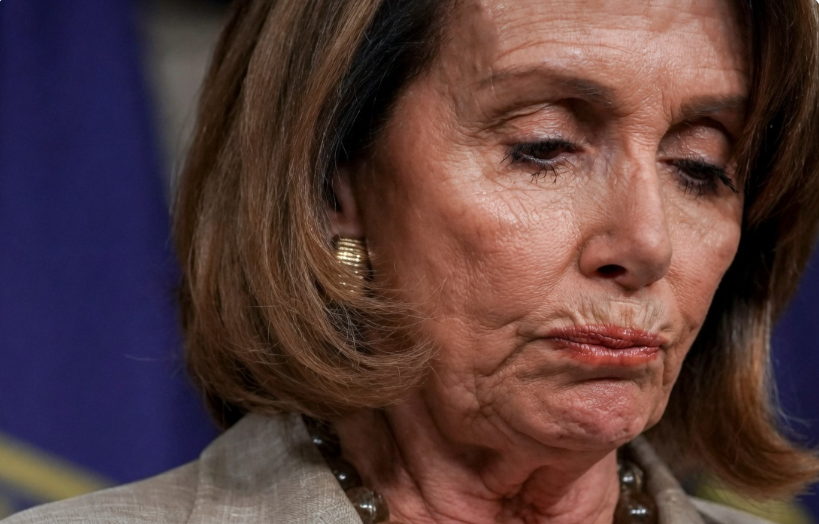
The bill’s provocative name serves as a direct reference to former House Speaker Nancy Pelosi (D-Calif.), whose husband’s stock trades have frequently drawn public scrutiny. Although Nancy Pelosi has never been formally charged or evidenced to have participated in illicit trading, the PELOSI Act capitalizes on the bipartisan desire to address perceived ethical lapses. Under the proposed enforcement mechanism, any member of Congress failing to comply within a 180-day window would be forced to surrender profits to the U.S. Department of the Treasury and could face severe penalties from the House and Senate ethics committees. The outcome of Wednesday’s vote will determine if this ambitious reform moves closer to becoming law or remains stalled by executive branch negotiations.