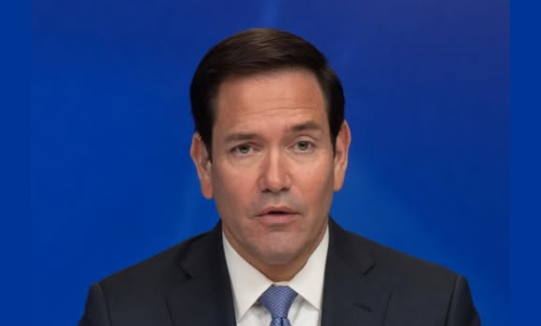
Secretary of State Marco Rubio recently indicated a glimmer of progress in back-channel negotiations aimed at de-escalating the conflict involving the United States, Israel, and Iran. While acknowledging “a little bit of movement,” Rubio emphasized a stance of cautious optimism, noting that the diplomatic window remains narrow. He stressed that while current signs are encouraging, Washington is prepared to pivot to a “Plan B” should these efforts falter, signaling that the U.S. will not wait indefinitely for a resolution.
Central to the current mediation efforts is Pakistan, which has once again stepped in as a key intermediary. Pakistan’s Army Chief Field Marshal Syed Asim Munir is reportedly heading to Tehran for high-level consultations with Iranian officials. Islamabad is working to keep discussions alive, acting as a vital bridge between Western interests and the Iranian leadership during this volatile period of regional tension.
However, a significant diplomatic hurdle has emerged regarding the Strait of Hormuz. Iran has proposed a “tolling system” managed by a new entity called the Persian Gulf Strait Authority. Under this framework, commercial vessels would be required to seek prior authorization and pay fees to transit the waterway. Rubio condemned this move as “completely illegal” and a “nonstarter,” warning that such a system would render any diplomatic deal unfeasible and threaten global trade stability.
The Strait of Hormuz is a critical maritime artery, accounting for nearly one-fifth of global oil exports. Disruptions have already unsettled global markets, leading to increased shipping costs. Rubio warned that if Tehran continues to obstruct the route, the United States and its partners cannot simply “sit around and hope for the best.” Simultaneously, the European Union has expanded its sanctions framework to target those responsible for the blockade, declaring the closure a violation of international law.
Amidst these high-stakes negotiations, the broader region remains engulfed in violence. Significant casualties have been reported in Lebanon due to ongoing clashes between Israel and Hezbollah, despite a previous U.S.-brokered ceasefire. While President Donald Trump has reportedly expressed “cautious optimism” about reaching a memorandum of understanding within a week, the maritime dispute and Iran’s new regulatory demands remain volatile variables that could derail the peace process.