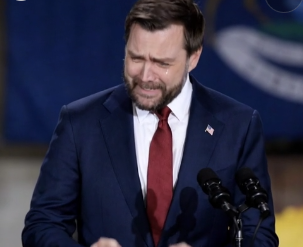
In a high-stakes display of intra-party pressure, Vice President JD Vance has taken to the front lines in Missouri to demand that Senate Republicans prioritize the passage of the SAVE Act. Speaking to a crowd at a manufacturing plant in Kansas City, the Vice President did not shy away from the friction currently defining the relationship between the executive branch and Capitol Hill. While acknowledging the frustrations many voters feel toward the GOP establishment, Vance framed the Safeguard American Voter Eligibility Act as a non-negotiable pillar of the Trump administration’s domestic agenda leading into the 2026 midterm elections. He urged the Republican base to remain loyal, arguing that while the party may not be perfect, it remains the only political force dedicated to defending the American worker and the sanctity of the ballot box.
The SAVE Act itself has become a lightning rod for debate surrounding election security. If passed, the legislation would mandate that individuals provide documentary proof of U.S. citizenship when registering to vote in federal elections. Proponents of the bill, including Donald Trump and Vance, argue that current registration processes leave the American electoral system vulnerable to noncitizen participation and fraud. Conversely, Democrats have characterized the bill as a form of voter suppression, contending that it would place an undue burden on millions of eligible citizens—such as students or the elderly—who may lack immediate access to birth certificates or passports. This fundamental disagreement has stalled the bill, despite the Republican majority in the Senate.
The legislative impasse has highlighted a growing rift between the populist wing of the Republican Party and the traditional leadership. Despite holding the majority, Senate Republicans have struggled to move the bill forward due to the 60-vote filibuster threshold. This has led to intense pressure from Trump, Elon Musk, and Senator Mike Lee for Majority Leader John Thune to ‘nuke’ the filibuster. Thune, however, remains cautious, noting that the caucus does not currently have the unanimous support required to dismantle a rule that has historically protected the minority party. Senator Mike Lee has been particularly vocal in his opposition to this caution, dismissing institutional concerns as ‘excuses’ and calling for an aggressive legislative push that ignores traditional hurdles.
External pressure is also mounting from conservative media and strategic advisors who believe the party should be more confrontational. Columnist Deroy Murdock recently proposed a ‘scorched earth’ legislative strategy, suggesting that Speaker Mike Johnson and the House of Representatives should attach the SAVE Act to every single bill sent to the Senate. This tactic is designed to force Senate Democrats into a series of politically uncomfortable public votes, making them record their opposition to voter ID measures that poll well with a broad segment of the American public. By ‘stapling’ the act to essential funding or policy bills, the GOP hopes to either break the legislative logjam or create potent campaign material for the upcoming elections.
Ultimately, the SAVE Act has evolved into much more than a technical adjustment to election law; it has become a defining political litmus test for GOP lawmakers. As Vance and Trump continue to hammer home the message that the Democratic Party prioritizes noncitizens over American voters, the bill serves as a central component of their 2026 midterms strategy. For Senate Republicans, the pressure to act represents a broader challenge of how to balance the demands of an aggressive executive branch with the institutional norms of Washington, D.C. With the next election cycle on the horizon, the outcome of this battle will likely shape the Republican party’s identity and its relationship with the American electorate for years to come.