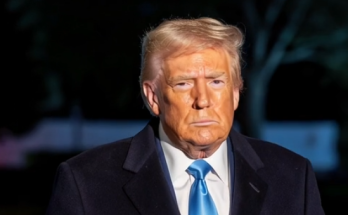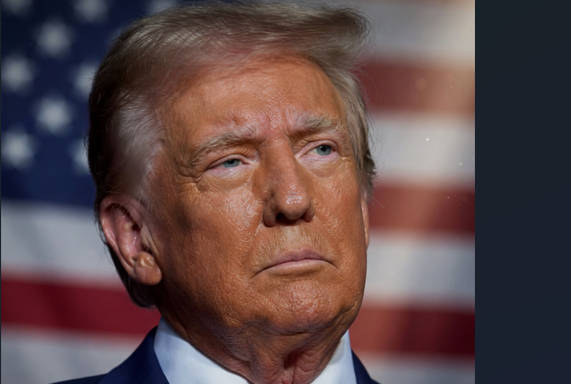
A cloud of uncertainty has descended upon the American scientific community as reports continue to emerge regarding a string of disappearances and fatalities among high-level researchers. President Donald Trump recently addressed the situation, attempting to temper growing public concern by characterizing the connection between these incidents as “minimal.” Despite the administration’s efforts to downplay the possibility of a coordinated pattern, the sheer volume of cases involving individuals tied to advanced research has sparked a firestorm of theories and prompted formal investigations by both the FBI and NASA.
The narrative surrounding these events has shifted significantly in recent weeks. Initially, President Trump signaled a high level of alarm, describing the occurrences as “pretty serious stuff” and acknowledging the high status of those involved. However, in a more recent update provided to reporters, the President took a more dismissive stance. He noted that while ten or thirteen cases may seem substantial, they represent a small fraction of the hundreds of thousands of scientists employed by the United States. Trump attributed several of the deaths to personal illness, self-inflicted harm, or other isolated circumstances, though he added the caveat that the government would continue to monitor the situation and share further findings.
The legislative branch remains far less convinced that these events are merely coincidental. Rep. Eric Burlison of Missouri has emerged as a leading voice in the call for transparency, explicitly linking the losses to national vulnerability. Burlison recently confirmed that the tally of missing or deceased American scientists tied to nuclear and space research has reached thirteen. He has been vocal on social media platforms, suggesting that international adversaries might benefit from these losses and demanding that the FBI provide “straight answers” regarding specific cases, such as the suspicious death of Matthew Sullivan.
The case of Matthew Sullivan has become a focal point for those skeptical of the official narrative. A 39-year-old former U.S. Air Force intelligence officer and Bronze Star recipient, Sullivan had a distinguished career working for the National Air and Space Intelligence Center (NASIC) and the National Security Agency (NSA). According to reports from the New York Post, Sullivan died in Falls Church, Virginia, due to an accidental drug overdose in May 2024. The timing of his death has raised eyebrows among investigators, as it occurred shortly after he had agreed to testify before Congress regarding government UFO activities.
Further compounding the mystery is the disappearance of retired Air Force Maj. Gen. William Neil McCasland. As a former leader of the Air Force Research Laboratory with deep ties to the Los Alamos National Laboratory, McCasland was privy to some of the nation’s most sensitive nuclear research. His vanishing earlier this year acted as a catalyst for broader public scrutiny, leading many to compile a list of other scientists who have met similar fates since 2022. This list includes Monica Reza, Melissa Casias, Anthony Chavez, and Steven Garcia, all of whom disappeared under circumstances currently deemed suspicious by various authorities.
The human toll extends further with a list of confirmed deaths between 2022 and 2026, including younger researchers like Amy Eskridge and Joshua LeBlanc, as well as seasoned experts like Nuno Loureiro and Frank Maiwald. The geographic and professional diversity of these individuals—ranging from academic physicists to private sector engineers—has made it difficult for the House Oversight Committee to ignore the possibility of a systemic issue. Chairman James Comer and Rep. Burlison have formally requested briefings from top-tier officials, including Energy Secretary Chris Wright and Defense Secretary Pete Hegseth.
Of particular interest to the committee is the connection these researchers had to major private aerospace firms. The House Oversight Committee has requested information regarding personnel tied to SpaceX and Blue Origin, as well as NASA. As the April 27 deadline for staff-level briefings approaches, the administration finds itself in a difficult position: balancing the need for public calm with the mounting evidence of a crisis within the aerospace and defense sectors. Whether these incidents are a tragic statistical anomaly or a targeted campaign against American intellectual capital remains the central question facing Washington.