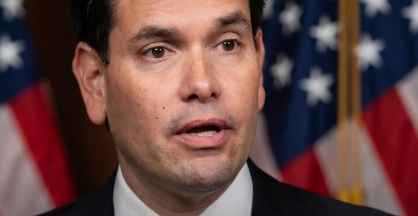
During remarks delivered in Munich, Marco Rubio addressed issues that have increasingly become central to political debate across many Western democracies. Speaking candidly about cultural identity, immigration policy, and national sovereignty, Rubio argued that calls for a renewed emphasis on traditional values, national identity, and secure borders should not automatically be characterized as extreme positions. Instead, he framed them as concerns that many citizens believe deserve serious discussion within democratic societies.
Rubio’s comments appeared to resonate with segments of the audience, reflecting broader political conversations that have been unfolding throughout Europe and the United States in recent years. Across both regions, debates about immigration policy, integration, and national identity have intensified as governments confront rising migration levels and growing pressure on public services and institutions. For many voters, these developments have prompted renewed questions about how nations balance humanitarian responsibilities with domestic priorities. Supporters of Rubio’s perspective argue that maintaining cultural traditions, religious heritage, and clearly defined immigration systems can coexist with democratic values and openness. They contend that emphasizing lawful immigration procedures and border management is an essential responsibility of government, rather than a rejection of diversity or inclusion.
Critics, however, maintain that framing immigration and cultural change in these terms can oversimplify complex global dynamics and risk fueling social division. They emphasize the importance of policies that protect human rights while addressing economic and demographic challenges. Regardless of perspective, Rubio’s remarks highlighted the intensity of the current political moment. Questions surrounding identity, governance, and migration policy continue to shape political discourse across Western democracies, underscoring the broader challenge leaders face as they attempt to reconcile national priorities with an increasingly interconnected world.