In a significant move for national security and administrative accountability, the U.S. State Department has terminated foreign service officer Daniel Choi following the discovery of an undisclosed romantic relationship with a Chinese national. The dismissal was orchestrated under the direct orders of Secretary of State Marco Rubio and received formal approval from President Donald Trump. The decision follows a series of internal reviews and a highly publicized undercover investigation that raised alarms about potential foreign influence within the United States diplomatic corps.
The controversy erupted after the O’Keefe Media Group (OMG) released hidden camera footage featuring Daniel Choi. In the video, Choi admitted to maintaining a secret relationship with a woman whose father is a high-ranking affiliate of the Chinese Communist Party (CCP), possibly serving as a provincial or federal education minister. Choi was remarkably candid in the recordings, stating, “I defied my government for love,” and even went as far as to acknowledge that his partner “could have been a spy.” This failure to report a “close and continuing contact” with a foreign national constitutes a direct violation of State Department security protocols designed to prevent coercion and intelligence leaks.
This case marks the first time an officer has been removed under the authority of Executive Order 14211. This order, recently signed by President Trump, reinforces the principle that all employees implementing United States foreign policy must operate under the direct authority of the President as established in Article II of the Constitution. The order explicitly defines the failure to faithfully implement the President’s policy or adhere to security standards as grounds for immediate professional discipline, including separation from service. A spokesperson for the department emphasized that the Foreign Service Officer knowingly concealed information that represented a massive vulnerability to national security.
Counterintelligence experts have long warned about Beijing’s use of romantic entanglements and social connections as vectors for espionage. Former intelligence officials noted that Chinese intelligence-gathering often targets American personnel through personal relationships, financial incentives, and academic ties. The case of Daniel Choi underscores the risks posed by such “honey traps,” where personal loyalty is leveraged against national duty. By bypassing mandatory disclosure requirements, Choi effectively stripped away the protections meant to safeguard sensitive U.S. interests from hostile foreign entities.
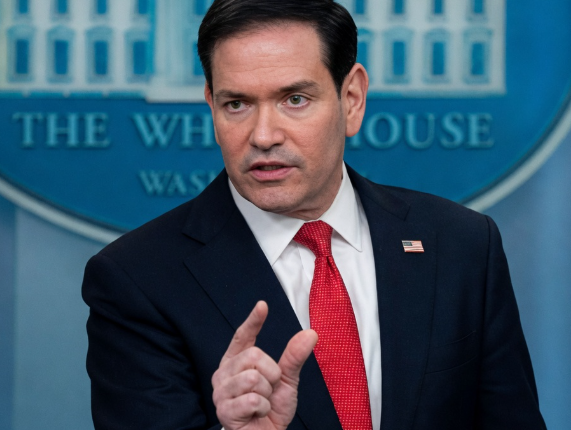
Since taking office, Secretary Marco Rubio has maintained a hard-line stance against Chinese influence within U.S. institutions. He has moved quickly to expand background checks and tighten vetting procedures for personnel, particularly those involved in East Asia policy or stationed in sensitive Washington-based roles. Rubio’s recommendation for Choi’s termination highlights a broader effort to enforce a culture of strict accountability. As one State Department official noted, the oath to serve the United States and uphold security standards is absolute, and no individual is considered above the protocols necessary to protect the nation’s integrity.