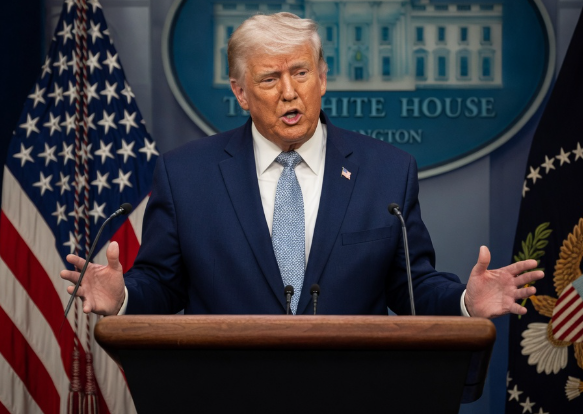
In the wake of the 2025 presidential transition, Washington, D.C. witnessed a seismic shift in its law enforcement hierarchy. On February 23, 2025, President Donald Trump announced the appointment of Dan Bongino as the Deputy Director of the Federal Bureau of Investigation. This move, which saw the conservative media icon officially assume office on March 17, 2025, signaled a definitive departure from the Bureau’s traditional reliance on career insiders for its operational leadership. Working under Director Kash Patel, Bongino was tasked with overseeing the daily functions of a vast network of agents and field offices, a role traditionally reserved for those who have spent decades ascending the FBI’s internal ranks.
The professional resume of Dan Bongino presents a unique blend of frontline service and public commentary. His journey in law enforcement began with the New York City Police Department, where he served from 1995 to 1999. He then transitioned to the U.S. Secret Service, serving until 2011 and participating in high-level protective details for senior government officials. However, it was his subsequent career in media—specifically through The Dan Bongino Show—that defined his public persona. As a vocal critic of the intelligence community, he frequently addressed what he characterized as political bias and government overreach within federal agencies, positioning himself as a champion for radical reform.
This appointment catalyzed a fierce national debate regarding the future of the Federal Bureau of Investigation. Supporters of the move argued that the agency had become insulated and prone to partisanship, citing controversies surrounding the 2016 election and subsequent probes as evidence of a need for systemic change. For this group, Bongino’s outsider status was not a liability but a necessary asset. They believed his presence would facilitate a refocusing of the Bureau on critical threats such as counterterrorism, cybersecurity, and violent crime, while simultaneously dismantling what they perceived as entrenched, biased practices that had eroded public confidence.
Conversely, critics within the Democratic Party and the broader law enforcement community raised alarms about the potential for extreme politicization. Figures such as Adam Schiff, Bennie Thompson, and Liz Cheney expressed concern that placing a partisan commentator in such a sensitive operational role could compromise the FBI’s independence. There were fears that the agency might be used as a tool for political retribution or that the morale of career professionals would be irreparably damaged. The appointment arrived during a period of high tension, marked by preemptive pardons for members of the House January 6 Select Committee and ongoing disputes over the legality and transparency of past congressional investigations.
During his time in office, Bongino initiated a series of internal reviews aimed at scrutinizing politically sensitive investigations from previous administrations. While proponents viewed these audits as essential for rebuilding public trust and ensuring impartial enforcement of the law, opponents saw them as a blurring of the lines between legitimate oversight and political pressure. This period placed the Federal Bureau of Investigation at the epicenter of a broader constitutional conversation about how much influence a sitting president should exert over law enforcement institutions that have historically operated with a degree of insulation from partisan politics.
Ultimately, the Bongino era at the FBI was characterized by its intensity rather than its longevity. By early January 2026, less than a year after his appointment, Bongino stepped down to return to the private sector and media work. Despite its brevity, his tenure left a lasting mark on the institution, reportedly involving the discovery of internal findings that challenged existing narratives within the agency. In the aftermath of his departure, the Bureau adjusted its leadership structure once again, yet the fundamental questions raised during his time—about the role of outsiders in federal agencies and the definition of institutional independence—continue to resonate within the halls of Washington, D.C. and across the American political landscape.