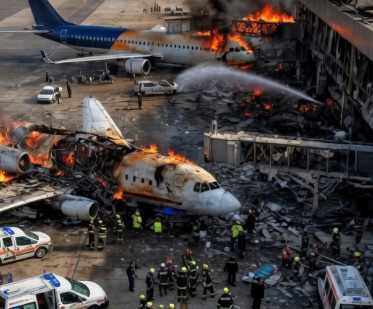
The conflict in the Middle East reached a critical flashpoint as Iran launched ballistic missiles featuring advanced cluster warheads directly at Tel Aviv. This aggressive maneuver, framed as retaliation for Israel’s assassination of a high-ranking security official, resulted in at least two civilian fatalities and widespread infrastructure damage. The deployment of cluster munitions has drawn sharp condemnation from humanitarian organizations due to the persistent danger posed by unexploded submunitions remaining in civilian areas long after the initial impact.
This strike is indicative of a broader regional intensification that has gained momentum since early 2026. Beyond its immediate confrontation with Jerusalem, Tehran has extended its offensive reach toward U.S. bases and strategic assets in Kuwait, Bahrain, the UAE, and Saudi Arabia. While advanced defense systems like Iron Dome and Arrow-3 have intercepted numerous threats, the sheer volume and technical sophistication of these new missile technologies are testing the absolute limits of regional security infrastructure. The geopolitical fallout of this escalation is severe, with global energy markets surging amidst the instability of the Gulf. As both nations signal a persistent commitment to military solutions and diplomatic channels remain ineffective, the risk of a full-scale regional war looms. This cycle of precision airstrikes and retaliatory barrages marks a dangerous new chapter in international relations.