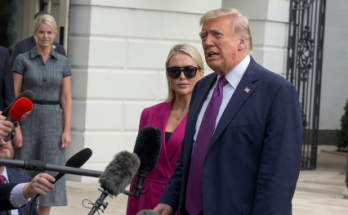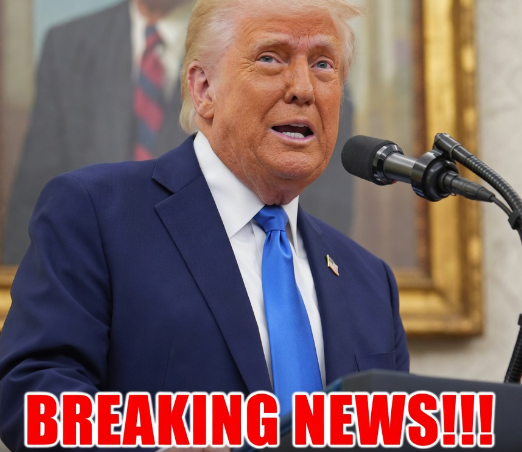
When Donald Trump explicitly promised that the press is “going to change,” he signaled a transition from standard political friction to a direct threat of state-led retaliation. This moment demands more than just reporting; it requires a foundational defense of independent journalism. The first pillar of this defense is radical clarity. News organizations must explain—relentlessly and transparently—the vital role they play in a democracy. By showing their work, tightening editorial standards, and highlighting how quickly freedoms vanish when leaders control the narrative, the press can remind the public that press freedom serves the citizens, not the powerful
.The second pillar of survival is industry-wide solidarity. In an era of potential blacklisting and gag orders, traditionally competitive newsrooms must prioritize the collective survival of the First Amendment over individual scoops. This means forming a united front through shared legal resources, joint investigations, and an absolute refusal to accept “access-for-obedience” deals. Whether dealing with local outlets or national giants, the media must act as a single ecosystem rather than isolated brands. As the political landscape shifts toward potential censorship, the press must provide a firm, unified response anchored in the Constitution: the rules of reporting are not for the government to rewrite, and the fourth estate will not be moved.