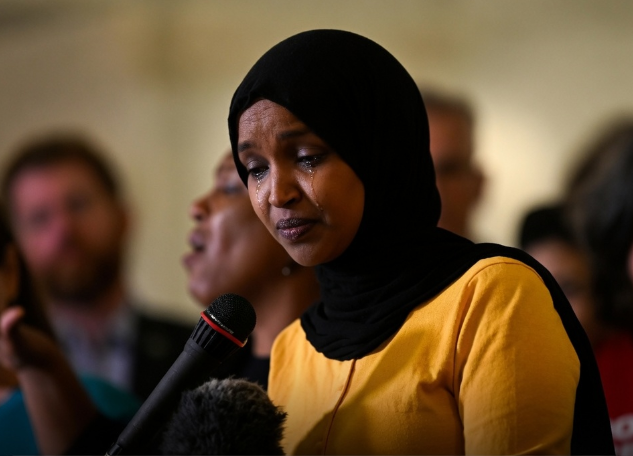
The political climate surrounding U.S. Rep. Ilhan Omar has reached a new peak of intensity as renewed scrutiny from high-profile media figures and legislative leaders continues to mount. Prominent critics, such as Fox News host Greg Gutfeld, have recently raised pointed questions regarding a perceived lack of accountability for the Minnesota representative. During a segment on “The Five,” Gutfeld highlighted a series of long-standing allegations concerning her past personal relationships and financial disclosures. Although these claims have been widely debated and contested for years, Gutfeld and others are now demanding to know why Omar hasn’t faced more rigorous consequences or investigations into her background.
For her part, Omar has consistently and vigorously pushed back against these accusations, characterizing them as partisan attacks rooted in political bias rather than factual evidence. While previous reviews of her campaign finances did result in findings related to reporting violations, they did not lead to criminal prosecution. However, the rhetoric has been further amplified by former President Donald Trump, who recently utilized his social media platform to target Omar. Trump accused her of involvement in fraudulent activities without providing specific evidence, calling for immediate legal repercussions. This escalation reflects a broader trend in Washington, where the divide between media-driven rhetoric and verified investigative findings remains a central point of public contention. In a significant legislative development, U.S. Rep. Randy Fine, a Republican from Florida, has signaled his intent to potentially move for the expulsion of Omar from Congress. Fine revealed that his decision depends on the outcome of ongoing inquiries into allegations regarding Omar’s marriage history. He emphasized that if these claims are substantiated by new data, he would absolutely support a floor vote to remove her from office. This potential move for expulsion highlights the hardening stance among certain members of the House of Representatives who believe that past questions regarding her conduct have gone unanswered for too long. Parallel to the efforts regarding Omar, Fine has introduced the Disqualifying Dual Loyalty Act, a proposed bill that would prohibit members of Congress from holding dual citizenship. Fine framed the legislation as a necessary measure to ensure that all members of the House and Senate maintain an exclusive allegiance to the United States. Arguing that lawmakers should not “serve two masters,” Fine maintains that the legislation is vital for protecting national interests. The bill has received support from other lawmakers, including Rep. Andy Harris, who pointed to the potential national security risks associated with lawmakers holding dual citizenship while having access to sensitive or classified information. Supporters of Omar argue that these repeated allegations, which have yet to result in formal charges, demonstrate a clear pattern of political harassment intended to marginalize her influence. Conversely, her critics maintain that the seriousness of the claims warrants a deeper level of transparency than has been provided to date. As the debate over the Disqualifying Dual Loyalty Act and the potential expulsion vote continues to unfold, it underscores the deep ideological divisions within the United States government and the increasing role of social and traditional media in shaping political accountability.