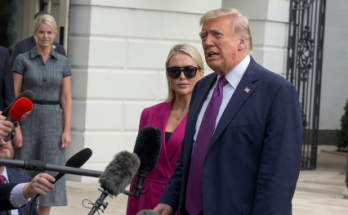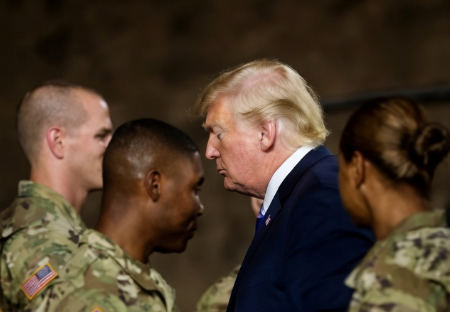
The geopolitical crisis between the United States and Iran has escalated to a critical boiling point as of May 12, 2026. Amidst the rising tensions, social media has been flooded with unverified rumors suggesting an organized “walkout” or refusal of duty among American service members. While these reports currently lack official confirmation, the tangible threat lies in the intensified rhetoric from Donald Trump. He has issued warnings of widespread strikes against Iranian infrastructure—specifically targeting energy systems, power grids, and bridges—if Tehran fails to comply with specific demands concerning the Strait of Hormuz and nuclear development.
Legal scholars and former military attorneys have expressed deep concern, arguing that indiscriminate attacks on dual-use facilities may constitute a violation of international humanitarian law. They emphasize that the laws of armed conflict mandate strict proportionality to prevent excessive civilian suffering. Politically, the administration’s stance has triggered a backlash in Washington. Democratic Senator Chris Van Hollen has been a vocal critic, warning that the executive branch is outpacing congressional oversight and dragging the nation into a potential regional conflict without a defined exit strategy or formal war authorization. Strategically, experts warn that targeting national infrastructure often yields counterproductive results by consolidating nationalist sentiment and domestic support for the targeted regime. Although the threat to global oil markets and regional proxies is severe, diplomatic channels have not yet fully collapsed. Indirect ceasefire discussions are persisting behind the scenes, yet the margin for error remains dangerously narrow. International observers remain on high alert, fearing that a single catastrophic miscalculation could ignite a total regional war.