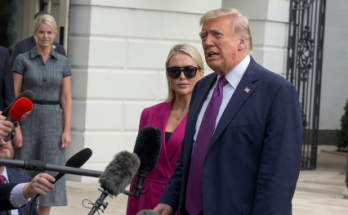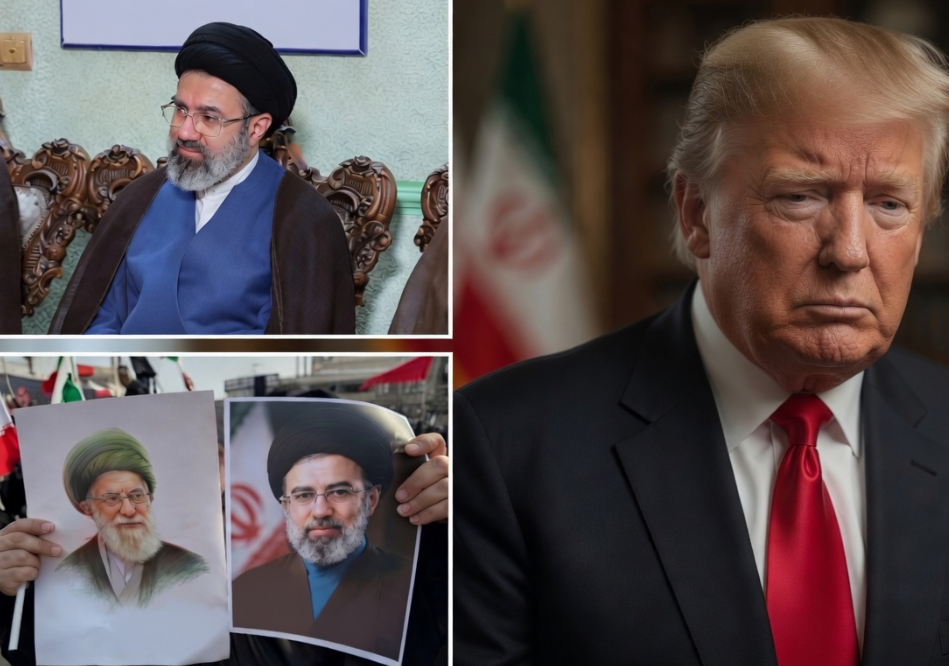
The geopolitical landscape of the Middle East has entered a precarious new phase with the commencement of Operation Epic Fury. This coordinated military offensive, executed by the United States and Israel, marks a significant escalation in the ongoing tensions involving Iran. According to official reports, the strikes were strategically designed to neutralize imminent threats by targeting critical military and nuclear infrastructure. These operations represent a shift toward overt confrontation, significantly raising the stakes for both regional security and international diplomacy.
While reports indicate that several air-defense installations across the region were successfully neutralized, the narrative remains contested. Officials in Tehran have claimed that their defense systems intercepted multiple incoming missiles, downplaying the extent of the physical damage while simultaneously issuing stern warnings of “devastating revenge.” This rhetoric has intensified global fears of a wider, multi-front regional war. In response, leaders from Europe and neighboring states have launched urgent diplomatic interventions, pleading for maximum restraint to avoid a total collapse of regional order. Beyond the immediate military ramifications, the operation has triggered significant instability in global markets, as investors react to the potential for disrupted energy supplies and prolonged economic friction. On the ground, the human cost is evidenced by a palpable sense of psychological strain. Families in both Tel Aviv and Tehran are living in a state of high anxiety, caught between the tactical maneuvers of their respective governments and the uncertain future of their personal safety. Whether Operation Epic Fury remains a localized tactical strike or serves as the opening chapter of a larger destabilizing conflict remains the central concern for the international community.