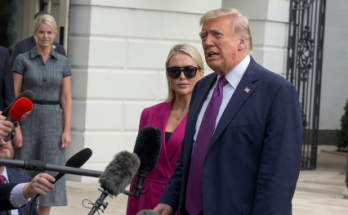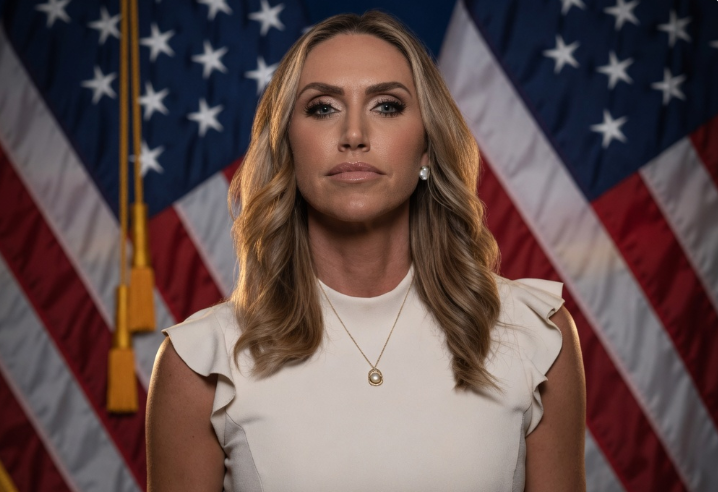
Lara Trump’s Elevation: The Republican Party’s Total Alignment with the Trump Dynasty The political landscape within the Republican Party recently underwent a seismic shift during a critical meeting in North Carolina. Lara Trump, previously recognized as a dedicated campaign surrogate and media personality, was officially elevated to the position of co-chair of the Republican National Committee (RNC). This appointment represents far more than a routine leadership change; it signals a definitive generational transfer of power that moves her from the periphery of television interviews directly into the core of the party’s operational and financial hierarchy.
From the perspective of GOP supporters, this move is a masterstroke of strategic consolidation. They view it as a necessary step to align the party’s internal structure with the political force that has defined it for nearly a decade. By unifying the messaging machine and energizing the grassroots base, party leadership hopes to prepare for a contentious national election cycle with absolute discipline. This shift gives Donald Trump significantly deeper influence over critical fundraising operations, campaign infrastructure, and the broader voter outreach strategy that will be vital in the upcoming months. Conversely, critics and some longtime Republicans view this development with skepticism, characterizing it as the final erosion of the party’s institutional independence. To these observers, the RNC now appears increasingly intertwined with the political future and personal legacy of a single family. The symbolism of the appointment is unmistakable: loyalty has become the most valuable currency within the Republican hierarchy. This transition suggests that the era of quiet internal resistance has faded, replaced by a future shaped by figures who prioritize Trump’s political movement over traditional coalition-building. Ultimately, the next chapter of the party will be written by those who never intended to divide power.