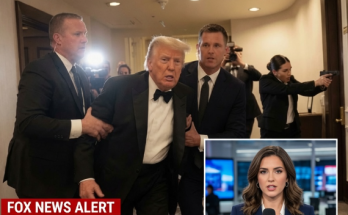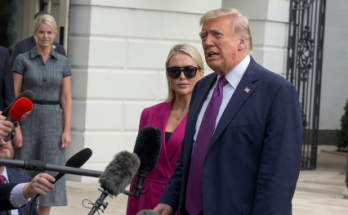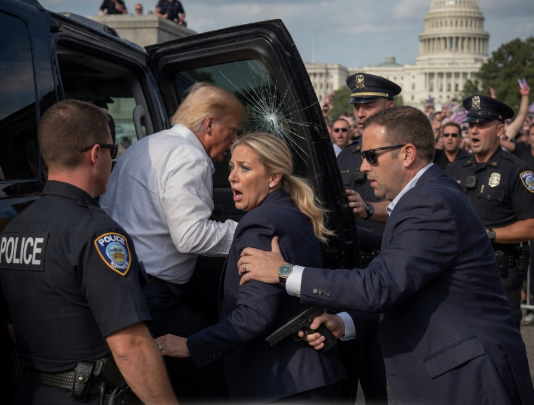
Recent viral claims circulating across social media platforms alleging that Donald Trump was involved in a second shooting incident in Washington, D.C. have been definitively debunked as baseless misinformation. Despite the alarming and urgent nature of these posts, there is no credible evidence to suggest such an event occurred. This situation serves as a prime example of a modern digital trend where emotional reactions frequently override the essential process of verification, allowing false narratives to gain massive momentum and reach millions of users before corrections can be issued by reputable outlets.
A critical analysis of the current landscape reveals that no official authorities, including the United States Secret Service or major global news organizations, have released any statements validating these claims. In high-stakes environments involving prominent political figures, the total silence from law enforcement and specialized security agencies is a definitive hallmark of a hoax. Investigations into the origins of these rumors indicate they were largely propagated by anonymous accounts using sensationalist language and recycled media to manipulate engagement algorithms. Much of the confusion appears to be a distorted echo of the real, documented assassination attempt that took place in Butler, Pennsylvania, in 2024. Security specialists and political observers warn that such digital distortion poses tangible risks to society. The rapid spread of false claims can trigger widespread public anxiety and potentially overwhelm emergency communication systems that are critical for genuine crises. The speed at which these inaccuracies travel highlights the inherent vulnerabilities of a highly polarized information landscape. When individuals share content based on emotional alignment or personal bias rather than factual accuracy, they inadvertently participate in the steady erosion of objective truth, making it harder for the public to discern reality from fabrication. Ultimately, all verifiable data confirms that no new shooting incident has occurred in the nation’s capital. This episode serves as a stark reminder of the vital importance of media literacy and the necessity of exercising extreme caution when encountering breaking news online. In an era where headlines are often engineered to provoke immediate reactions rather than provide nuanced information, it is essential for the public to cross-reference multiple trusted sources and resist the impulse to amplify unverified claims. Maintaining these habits is crucial for navigating an environment where disinformation often travels much faster than the truth.