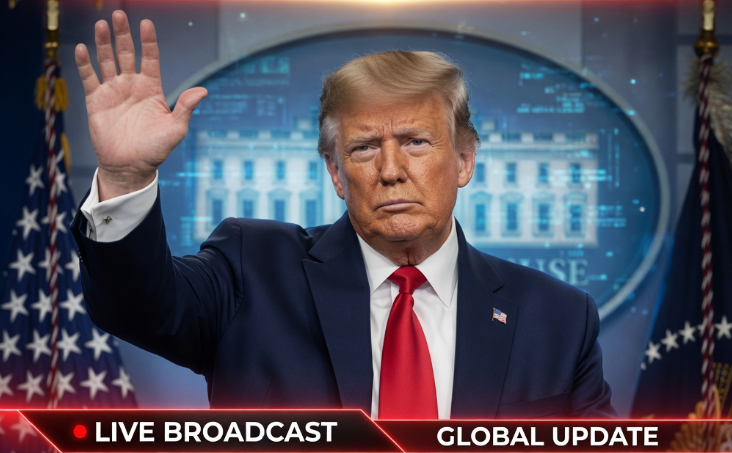
In a move that signals a significant shift in federal law enforcement strategy, President Donald Trump has reportedly designated Dan Bongino—a former Secret Service agent and influential media personality—as the next Deputy Director of the FBI. This selection has immediately become a lightning rod for political discourse, reflecting a fundamental disagreement over the FBI’s operational philosophy. Supporters of the move characterize it as a bold effort to reform an agency they believe has become insulated from public accountability, while detractors express deep concern that the appointment threatens to dissolve the boundary between partisan politics and criminal justice. Bongino has built a significant public profile by challenging the status quo within the intelligence community and calling for a radical increase in transparency. In his reported new role, he is expected to oversee a series of internal reviews focusing on the Bureau’s handling of politically sensitive cases. His proponents believe that such an audit is the only way to purge the system of perceived bias and restore the FBI’s credibility. However, institutionalists and former lawmakers argue that Bongino’s history of media commentary may compromise his ability to lead an organization that relies on the perception of total objectivity.
Compounding the controversy are unconfirmed reports concerning a preemptive pardon allegedly issued by President Joe Biden to Senator Adam Schiff regarding his work on the House January 6th Committee. While these claims have not been substantiated by official federal records, their circulation has intensified the scrutiny surrounding Trump‘s personnel choices. The intersection of these narratives suggests a period of unprecedented tension for federal law enforcement, as both sides of the aisle prepare for a struggle over the control and purpose of national investigative bodies. Despite the political fervor, the practical reality of Bongino’s appointment depends on established Department of Justice procedures and formal vetting. Legal analysts emphasize that any significant leadership transition must adhere to constitutional and administrative standards to ensure continuity and stability. The ongoing debate highlights a critical junction for American democracy: how to reconcile the need for institutional reform with the essential requirement of keeping law enforcement free from political manipulation. The outcome of this appointment will likely set the tone for the relationship between the White House and the FBI for years to come.