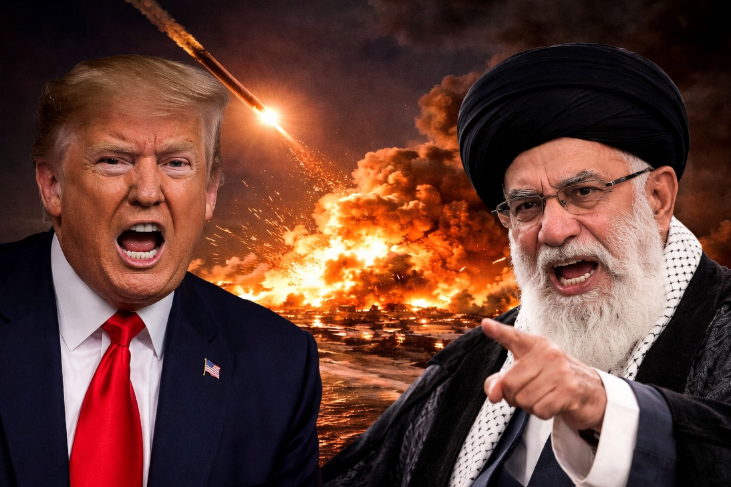
On March 1, 2026, a routine transit through the Strait of Hormuz rapidly escalated into a high-stakes military engagement, pushing the international community toward the brink of a wider conflict. What began as standard operational procedure for the U.S. Navy transformed into a sophisticated exchange of anti-ship missiles, countermeasures, and advanced electronic warfare. Iranian batteries reportedly launched several projectiles from the coastline, forcing U.S. interceptors to engage in a split-second duel to prevent a direct strike on maritime assets.
While no American vessels were ultimately hit, the gravity of the encounter triggered immediate and forceful U.S. counterstrikes against suspected launch sites and radar batteries. This exchange sent shockwaves through global markets and signaled a dangerous departure from the unspoken rules of engagement that usually govern this narrow maritime corridor. The speed of the escalation underscored the razor-thin margin between strategic deterrence and an all-out regional war. Security analysts and military experts now view this clash as a critical warning regarding the extreme volatility of one of the world’s most vital naval chokepoints. As war colleges and global ministries begin to dissect the tactical data, the broader focus remains on whether this event serves as a final lesson in brinkmanship or a precursor to irreversible hostilities. The incident highlights that in such a confined and militarized space, miscalculation is no longer a theoretical risk but a constant, lethal shadow over international security.